
ATOM5: 5% OFF ₹5K+ | ATOM10: 10% OFF ₹10K+ | ATOM15: 15% OFF ₹15K+ | ATOM20: 20% OFF ₹20K+
Kitchen Door Lock Guide for Closed, Semi-Open and Utility Kitchens
Three Kitchen Layouts and What Each Needs
Closed kitchen inside the home
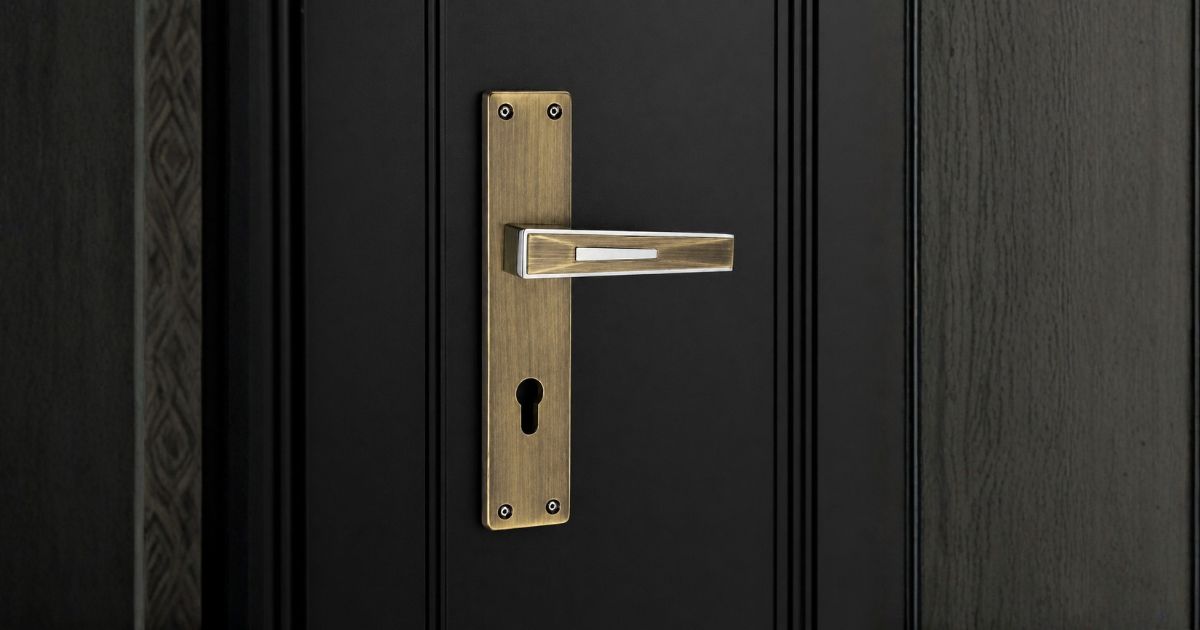
If the Kitchen Door Lock only connects to the dining or living area, it rarely needs a key. Its job is to stay shut so smoke and smell do not drift into the house. A good mortise latch with a lever handle on both sides is enough. ATOM Locks: The latch should click shut firmly so the door does not drift open when the exhaust fan pulls air.
Kitchen with a utility or wash area
Many flats have a small utility balcony attached to the kitchen, where the washing machine and water purifier sit. The door between the kitchen and this utility area faces the outside. It needs proper locking, usually a tower bolt on the inside and sometimes a keyed lock as well, especially on lower floors.
Kitchen with a back door
Independent houses often have a back door from the kitchen that opens to a courtyard, a lane or the servants’ entrance. Treat this like a second main door. It needs a strong keyed lock, an aldrop or tower bolt on the inside, and a door made of solid material. Back doors are a common entry point for burglars because they are less visible from the street.
Choosing the Right Kitchen Door Lock Hardware
The kitchen is not a gentle place for hardware. Heat, steam and grease all take a toll, so material and design need some thought.
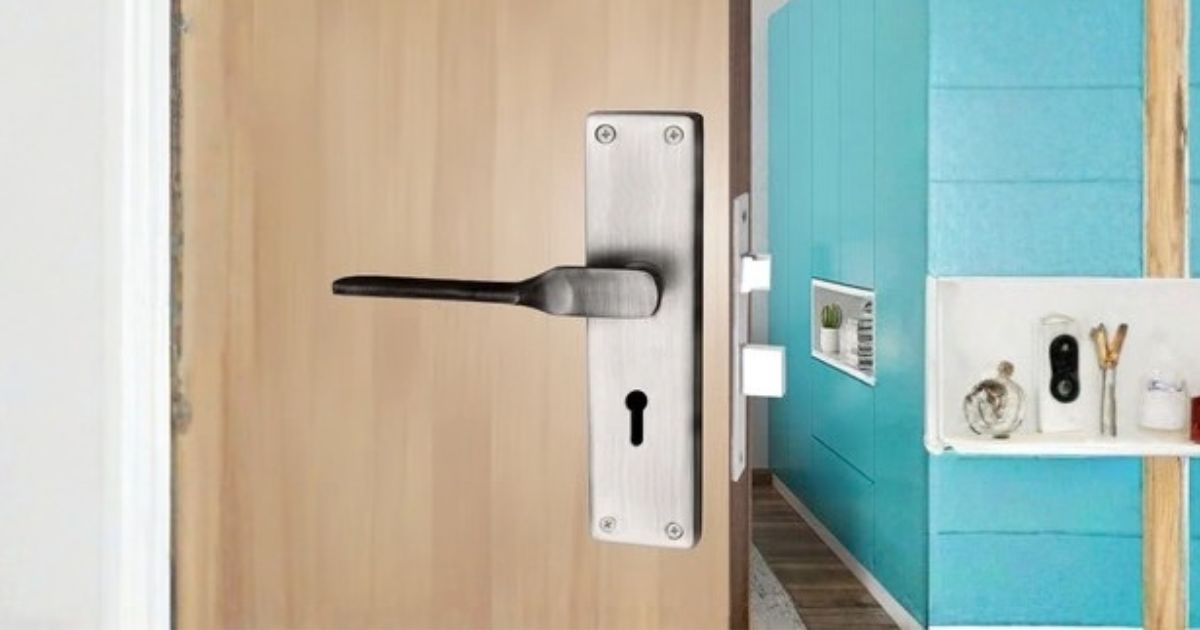
Lever handles suit kitchens better than knobs. When your hands are covered in atta or oil, you can open a lever with your wrist or elbow. Knobs become slippery and spread grease around.
Smooth, simple handle shapes are easier to clean. Heavily carved or textured designs trap grease, and over time the dirt becomes hard to remove.
For finish, satin steel, CP matt and black all handle kitchen life well. Highly polished brass shows fingerprints and oil marks quickly.
ATOM Locks has a kitchen collection that brings together handles, latches and bolts suitable for this part of the house, which saves you from piecing a set together from different ranges.
Tower Bolts, Aldrops and Extra Security
For any kitchen door that opens to the outside, a lock alone is not enough. Add a bolt on the inside.
A tower bolt fixed at the top or bottom of the door gives quick, reliable locking at night. For a heavier back door, an aldrop provides a stronger bar that can also take a padlock when the house is empty.
Fit bolts where they are easy to reach but cannot be slid open through a gap or a ventilation grille. On doors with a glass panel, keep the bolt far from the glass so nobody can break it and reach in.
Kitchen Door Lock and Child Safety
A kitchen holds gas cylinders, knives, hot vessels and cleaning chemicals. For families with toddlers, keeping the kitchen door shut can be a genuine safety measure.
A simple solution is a latch mounted high on the door, out of a small child’s reach. Some parents use a tower bolt fitted at adult shoulder height on the outside of the kitchen door. This keeps children out without locking anyone inside, since the bolt is only on the outside.
Avoid any kitchen door lock that can only be opened with a key from inside. Kitchens are where small fires and gas leaks start, and a door that cannot be opened instantly from inside is a hazard.
Care in a Heat and Grease Zone
● Wipe kitchen door handles every few days with warm water and a little dish soap.
● Do not spray oil-based lubricants into the latch. They attract dust and grease. A dry lubricant works better.
● Check the screws on lever handles every few months. Frequent use loosens them faster than on bedroom doors.
● If the kitchen door swells in the monsoon, ask a carpenter to plane the edge rather than forcing the latch.
Choosing Your Kitchen Door Lock
The right kitchen door lock depends on where the door leads. Internal kitchen doors need a smooth latch and an easy lever. Utility doors and back doors need real security with keyed locks and bolts. Whatever you pick, choose shapes and finishes that clean easily, because the kitchen will test your hardware more than any other room.