
ATOM5: 5% OFF ₹5K+ | ATOM10: 10% OFF ₹10K+ | ATOM15: 15% OFF ₹15K+ | ATOM20: 20% OFF ₹20K+
Glass Door Pull Handle Guide for Offices, Showrooms and Clinics
Why Glass Doors Need Special Handles
Toughened glass is strong, but it cannot be cut or drilled once it has been tempered. Every hole for a handle has to be made by the glass supplier before toughening.
That means you must decide the handle model, size and hole spacing in advance and share it with the glass fabricator. Changing your mind later often means ordering a new glass panel.
Glass also needs protection where metal meets it. Good glass door pull handles come with rubber or nylon washers and sleeves so the metal never touches the glass directly. Without them, the glass can chip or crack under pressure.
Types of Glass Door Pull Handle
Back-to-back pull handles
The most common choice. Two identical handles are fixed on opposite sides of the glass with a threaded connector passing through the hole. They look clean from both sides and give a good grip whichever way the door opens.
Single-sided handle with push plate
Some doors have a pull handle on one side and a flat push plate on the other. This makes the direction of the door obvious to visitors and works well for entrance doors.
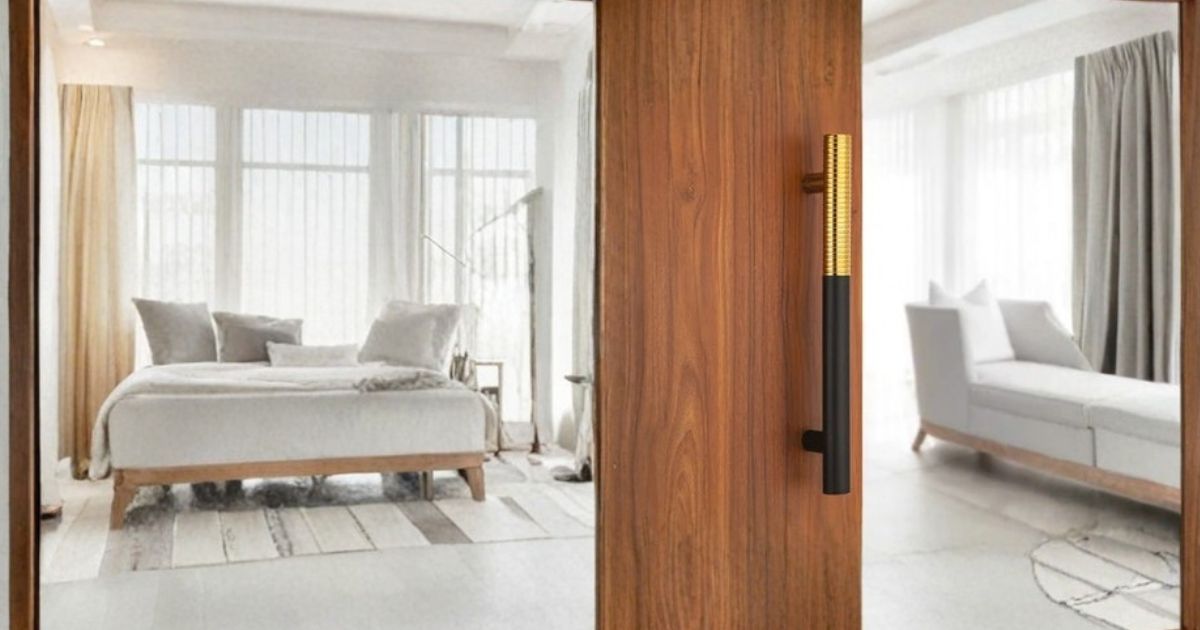
Long vertical handles
Tall handles running most of the height of the door look striking on showroom entrances. They let people of all heights grip comfortably.
D-shaped and H-shaped handles
D-shaped handles are simple and common for office cabins. H-shaped handles, with bars running horizontally into the glass, give a bolder look for retail.
ATOM Locks offers pull handles in steel, aluminium and steel-and-aluminium ranges, in different lengths and finishes, which can be used for glass doors when fitted with the right washers and connectors.
Choosing Size and Material
For standard office cabin doors, a handle between 10 and 16 inches is comfortable. For main entrances, longer handles of 24 inches or more look proportionate.
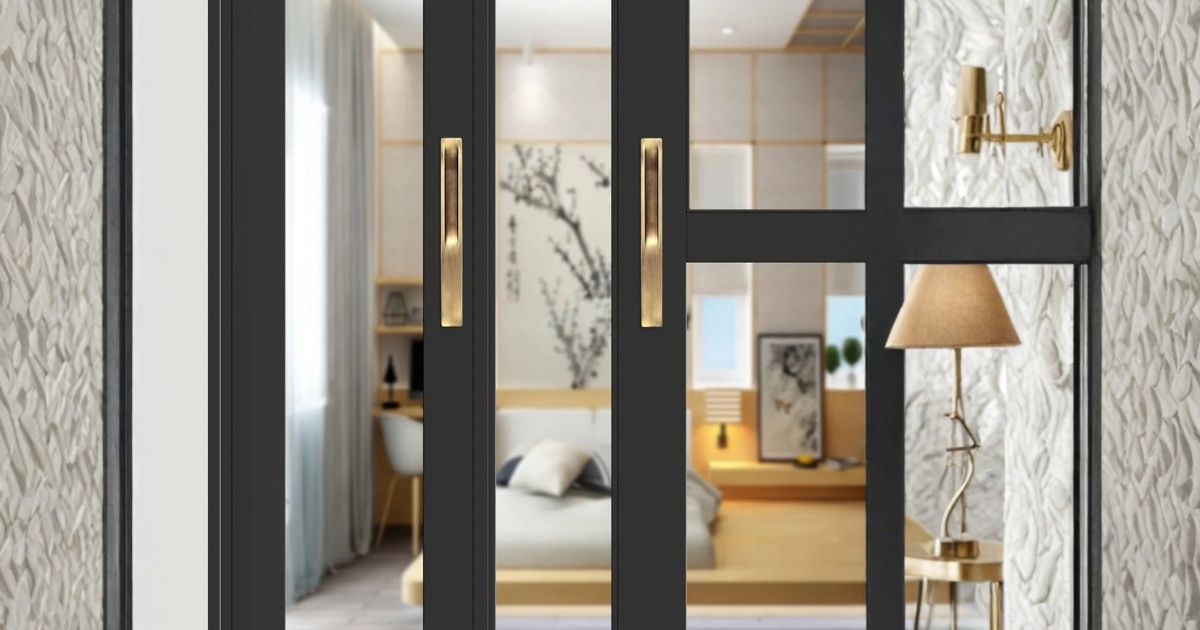
Stainless steel is the most popular material for glass doors because it matches the clean look of glass and resists corrosion. Glass Door Pull Handle Satin finishes hide fingerprints better than mirror finishes. Black and gold finishes are increasingly popular for premium showrooms.
Check the handle’s fixing centres, which is the distance between the two fixing points. This is what the glass supplier needs to drill the holes correctly.
Locking a Glass Door
A pull handle opens the door but does not lock it. For security, glass doors use separate locks.
Floor lock. Fitted at the bottom of the door, it locks into a socket in the floor. Common on frameless entrances.
Patch lock. A clamp-on lock at the bottom corner that locks into a strike on the floor or adjoining panel.
Handle locks. Some pull handles have a built-in lock that secures two doors together. These are convenient but less secure than floor locks.
For shops and showrooms, a rolling shutter outside the glass door still provides the main overnight security.
Glass Doors in Different Spaces
Office cabins. Back-to-back D handles, with a patch lock if the cabin needs locking.
Showroom entrances. Long vertical pull handles with a floor lock and a shutter outside.
Clinics and salons. Medium pull handles with a push plate on the other side to guide visitors.
Home partitions. Slim handles or flush pulls for shower enclosures and partition doors.
Frameless versus framed glass doors
Framed Glass Door Pull Handle, where the glass sits inside an aluminium or wooden frame, can take more conventional hardware because the frame provides solid fixing points. Frameless doors rely entirely on fittings designed for glass. If you want a regular mortise lock on a glass entrance, a framed door is the more practical choice. If you want the cleanest look, go frameless and plan for floor or patch locks from the start.
Care and Safety
Check handle fixings every few months. Loose handles put uneven pressure on the glass. Clean with a soft cloth and glass cleaner, avoiding abrasive pads that scratch both glass and metal. Add a frosted band or sticker at eye level on clear glass doors so people do not walk into them.
Wrapping Up
A glass door pull handle has to be planned before the glass is made, fixed with proper washers and paired with the right lock. ATOM Locks Choose the size and finish to suit the space, use back-to-back handles or a push plate for clarity, and add a floor lock or patch lock for security. Get these details right, and the glass door will look sharp and work smoothly for years.
Frequently Asked Questions
Can I drill a hole in a toughened glass door for a handle?
No. Toughened glass cannot be drilled after tempering. Holes must be made by the glass supplier before toughening.
What size pull handle suits a glass office door?
A handle between 10 and 16 inches usually suits office cabin doors, while main entrances look better with longer handles.
How do you lock a frameless glass door?
Most frameless glass doors use a floor lock at the bottom or a patch lock at the corner.