ATOM5: 5% OFF ₹5K+ | ATOM10: 10% OFF ₹10K+ | ATOM15: 15% OFF ₹15K+ | ATOM20: 20% OFF ₹20K+
Home Office Door Lock and Hardware for Working from Home
What a Home Office Door Needs to Do
Most home offices have three needs.
Privacy during calls and focused work. The door should stay shut and be lockable from inside so nobody walks in mid-meeting.
Security after hours. Laptops, files, client documents and sometimes cash for a home business need protection, especially in homes with visitors, domestic help or children.
Quiet. A door that seals well and closes softly keeps household noise down.
Unlike a main door, a home office does not need heavy security hardware. It needs the right function and a well-fitted door.
Choosing a Home Office Door Lock
Keyed mortise lock with inside turn
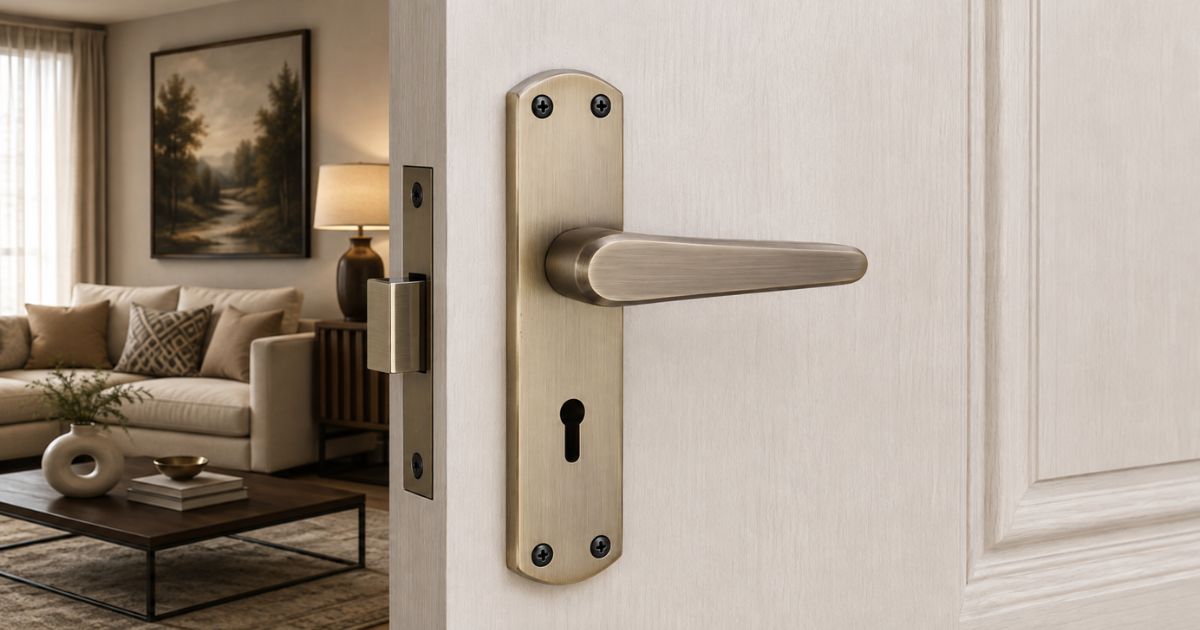
This is the most practical option for most home offices. During the day, you lock it from inside with a thumb-turn when you need privacy. In the evening, you lock it from outside with a key to keep children away from your laptop and papers.
ATOM Locks offers mortise handle sets and mortise latches that suit study rooms and home offices in finishes that match the rest of the bedrooms.
Privacy latch only
If the home office holds nothing sensitive and you only need to avoid interruptions, a privacy latch with an inside turn and an outside emergency release is enough.
Separate lock for files
Some people prefer to keep the room unlocked but use a locked drawer or cabinet for documents. This suits home offices that double as a guest room or reading room.
If clients or colleagues visit your Home Office Door Lock, a lock on the room also signals professionalism. It shows that their documents are kept somewhere secure, not on a dining table.
Reducing Noise Through the Door
A lock alone will not keep a room quiet. The door and its fit matter just as much.
Make sure the latch engages firmly so the door closes tight against the frame. A door that rests slightly open lets sound leak through. Adding rubber seals along the frame and a strip at the bottom of the door reduces noise noticeably.
Solid core doors block more sound than hollow flush doors. If you are building or renovating a room specifically as an office, ask for a solid door.
Handles and Design
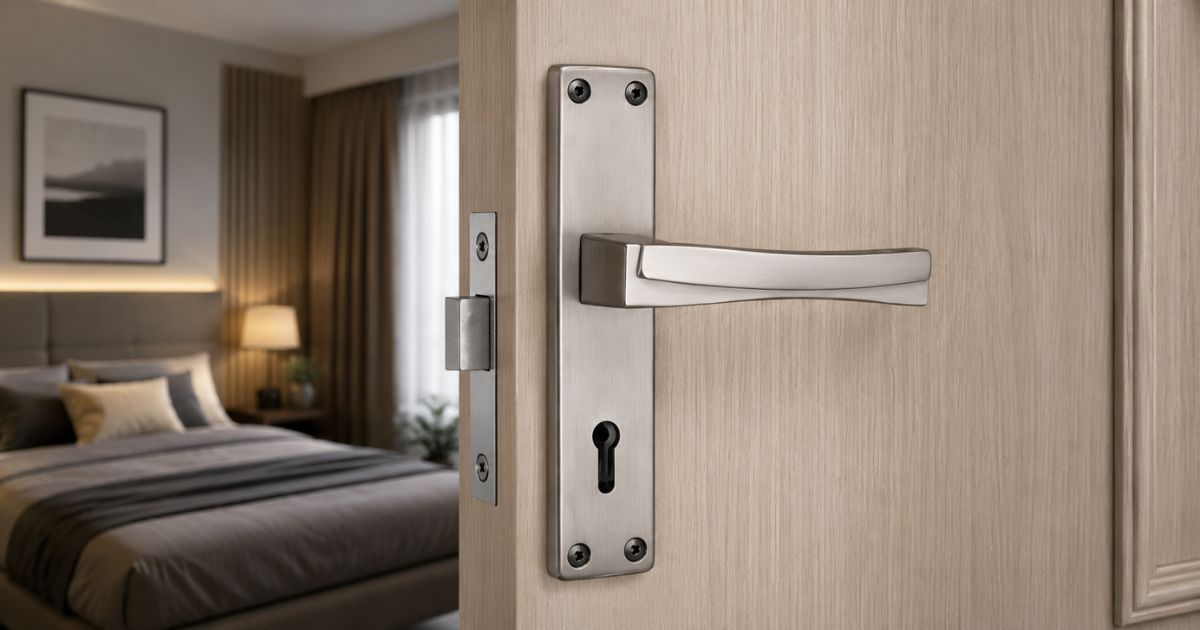
The home office is still part of the home. Keep the handle consistent with other bedroom doors so the corridor looks unified.
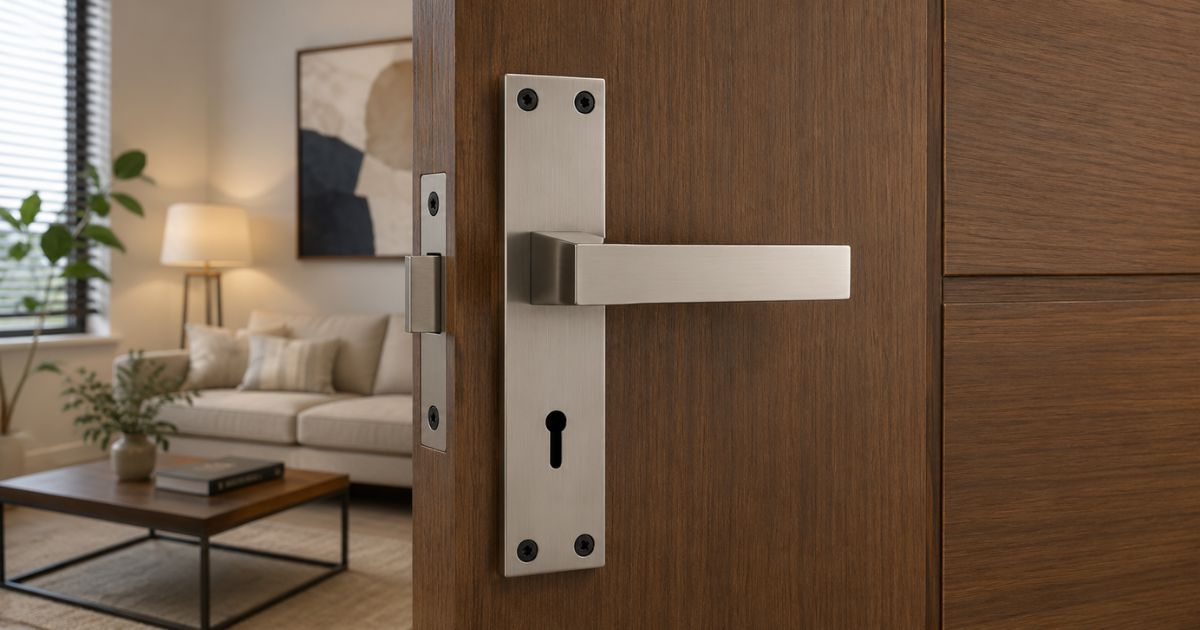
Lever handles are easier to operate quietly than knobs, which often rattle. A rose handle or a slim plate handle suits modern interiors. For a study with wooden furniture, antique brass or black finishes look warm and professional.
A doorstopper or doorstop is useful too. When you want air circulation during breaks, the stopper holds the door open without banging against the wall.
Home Office Door Lock for Different Setups
Spare bedroom office. Keyed mortise lock with inside turn, solid door and seals.
Guest room that doubles as an office. Keyed lock, plus a locked drawer for work files when guests stay.
Small study for students. Privacy latch that can be opened from outside, which suits younger family members.
Home business with clients visiting. A proper keyed lock, plus a separate lockable cabinet for records and cash
Lighting and the door
If your home office has a glass panel in the door, or a window that looks into the corridor, consider frosted film for privacy during calls. It keeps the room bright while preventing people from seeing your screen. A small light outside the door, ATOM Locks switched on during meetings, is a simple signal that family members quickly learn to respect.
Habits That Help
● Tell the family your work hours and use a simple sign on the door during calls.
● Lock laptops and important documents away at the end of the day.
● Keep a spare key in a safe place in case you lock yourself out.
● Do not leave the key in the outside of the lock, especially if children are curious.
Final Thoughts
A well-chosen home office door lock gives you privacy when you need to focus and security when you step away, without turning your home into an office building. A keyed mortise lock with an inside turn suits most setups, while a solid door, good seals and a quiet lever handle take care of the rest. Small changes, but they make working from home noticeably calmer.
Frequently Asked Questions
What type of lock is best for a home office?
A keyed mortise lock with an inside thumb-turn suits most home offices. It gives privacy during work and security after hours.
How can I make my home office door more soundproof?
Make sure the latch closes tightly, add rubber seals along the frame and a bottom strip, and use a solid core door if possible.
Should a children’s study room have a lock?
A privacy latch that can be opened from outside is safer for children’s study rooms than a keyed lock.