
ATOM5: 5% OFF ₹5K+ | ATOM10: 10% OFF ₹10K+ | ATOM15: 15% OFF ₹15K+ | ATOM20: 20% OFF ₹20K+
Child Safe Door Lock Ideas for Kids Rooms and Family Homes
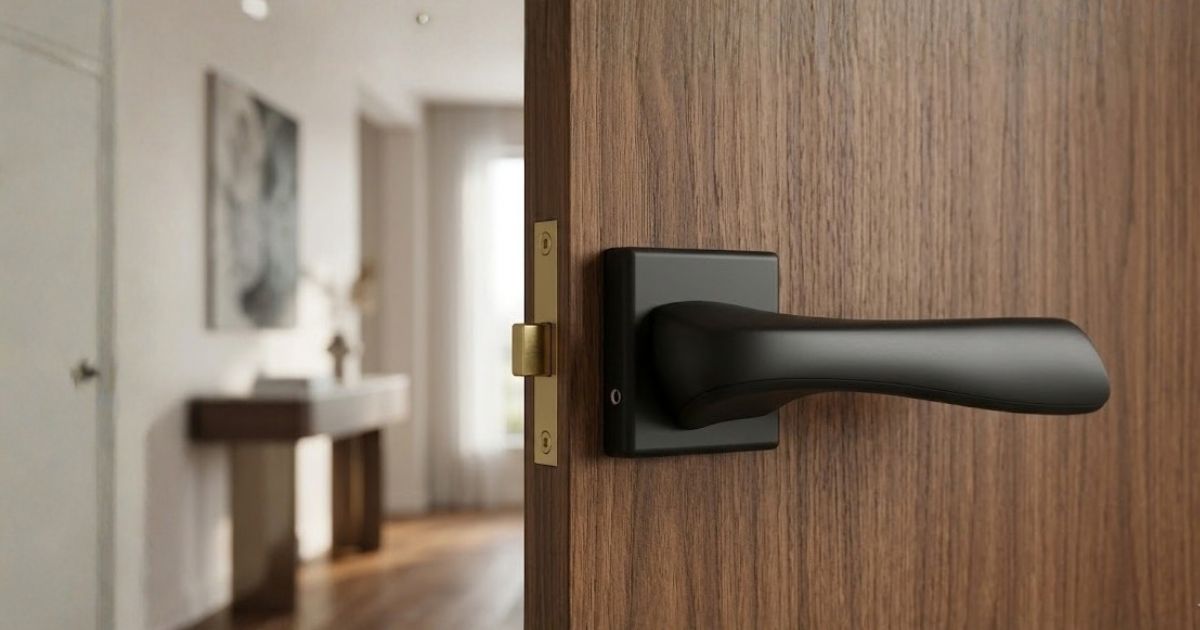
The Real Risks Doors Pose to Children
There are three common problems, and each needs a different fix.
Getting locked inside. Children love turning knobs and sliding bolts. If a bolt locks from inside and cannot be opened from outside, a child can trap themselves in a bathroom or bedroom.
Pinched fingers. Child Safe Door Lock Doors close with real force, especially in a draught. Fingers caught on the hinge side or between the door and frame can be badly injured.
Wandering into risky spaces. The kitchen, the terrace, the balcony and the store room hold dangers like hot vessels, open edges and chemicals.
Choosing a Child Safe Door Lock for Each Room
Kids room
A child’s bedroom door should never have a lock that only opens with a key or only from inside. Use a privacy latch that can be released from outside with a coin or flat tool. Many parents prefer no locking function at all until the child is around eight or nine years old.
Lever handles are easier for small children to operate than round knobs, which can be both good and bad. If you want the child to be able to leave the room easily at night, a lever helps.
Bathroom
This is where children most often get stuck. Replace any inside tower bolt with a baby latch or privacy lock that has an emergency release from outside. ATOM Locks stainless steel bathroom set with keyless mortise handle and baby latch; the Skoda-BL is designed for this use.
Kitchen, balcony, terrace and store room
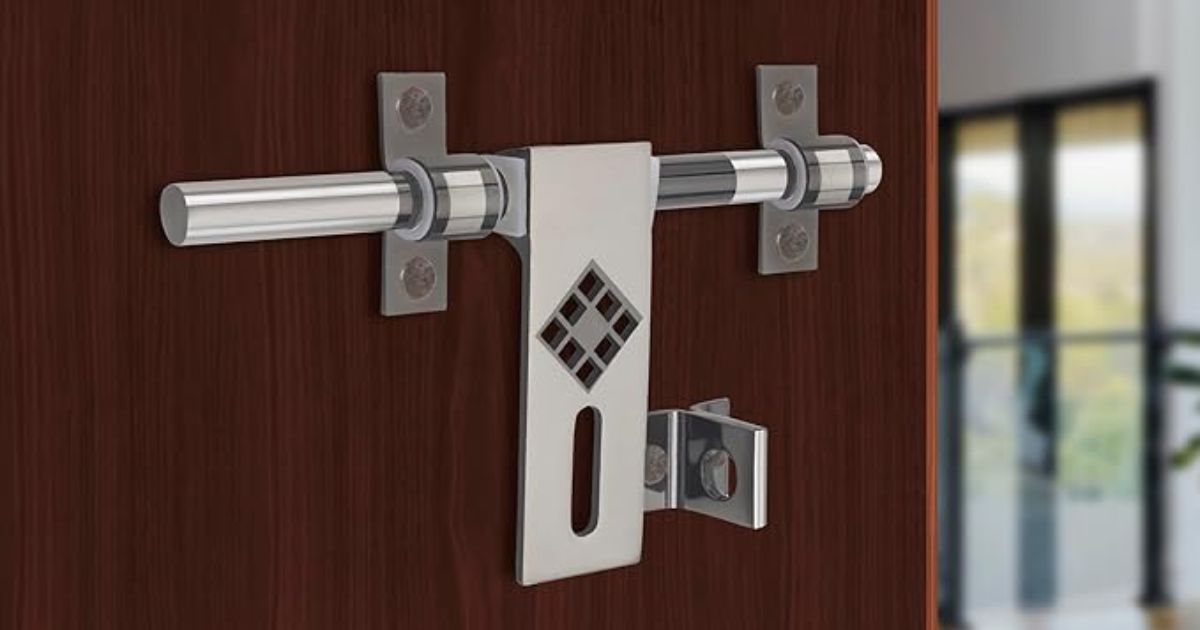
These rooms need the opposite approach. You want to keep children out. Fit a tower bolt or latch high on the outside of the door, above a child’s reach. Since it is only on the outside, nobody can get locked in by it.
Main door
Young children sometimes open the main door and walk out while parents are busy. A high bolt on the inside, used during the day when someone is at home, prevents this. Make sure all adults know how to open it quickly.
Older children in the house can also help. Ask them to bolt the risky rooms each evening and check the bathroom latches, which turns safety into a shared family habit.
Protecting Small Fingers
Locks are only part of child safety. Child Safe Door Lock The door itself needs attention.
A door stopper holds a door in the open position and prevents it from swinging shut in a draught. ATOM Locks offers door stoppers, including zinc models like the DS002, that can be fixed to the floor or the
door bottom.
A floor-mounted door stop prevents the handle from hitting the wall and also stops the door from opening too far and swinging back.
For the hinge side, soft finger guards made of rubber or fabric can cover the gap during the toddler years.
A quick room-by-room check
Walk through your home at a child’s eye level once, ideally on your knees. Look for bolts that are reachable from inside a room, sharp edges on handles and doors that swing shut on their own. Try opening each bathroom and bedroom lock from outside without a key. If you cannot, that door needs attention before your child finds the same problem. The whole check takes ten minutes and usually reveals at least one surprise.
Height and Habit
Height matters as much as hardware. Anything you want children to use, such as their own bedroom latch, should be at a comfortable height. Anything you want to keep them away from should be fixed above about 1.5 metres from the floor.
Teach older children how each lock works, especially the Child Safe Door Lock and the bathroom latch. Show them that it can be opened from outside so they do not panic if they get confused.
Keep a small coin or flat tool near each bathroom and bedroom door for emergency release. In a moment of panic, nobody wants to search for one.
Grandparents and visiting relatives should know these rules as well. Show them how the bathroom release works and where the high bolts are, so the house stays safe even when parents are out.
Final Thoughts
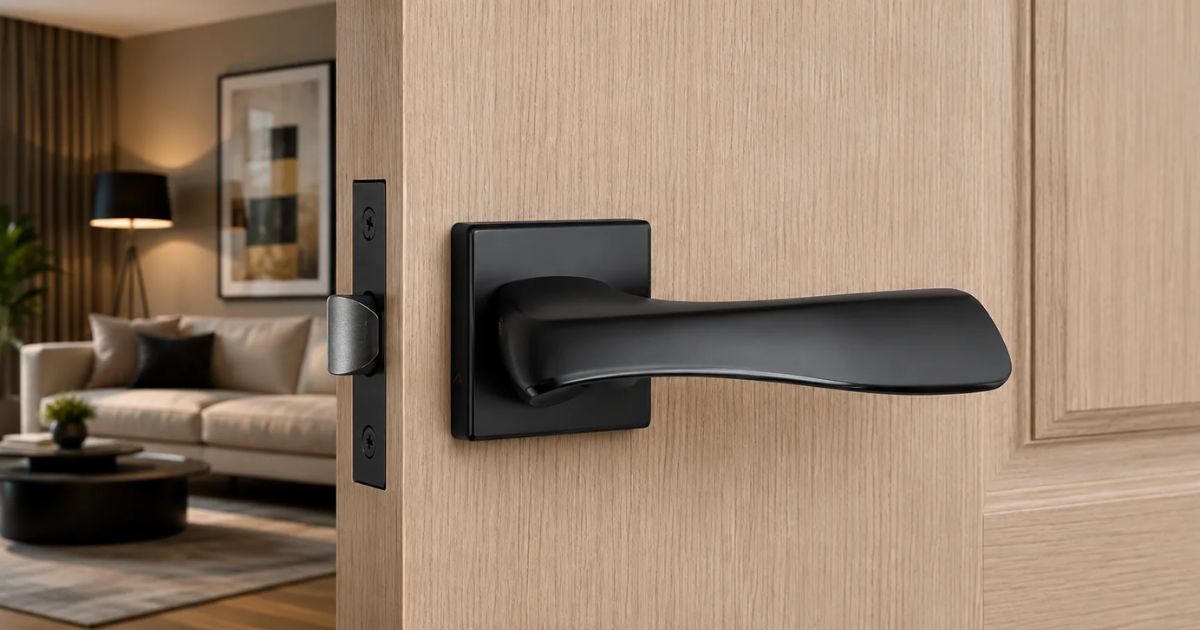
A child-safe door lock setup is about putting the right function in the right room. Release-from-outside latches for bedrooms and bathrooms, high outside bolts for risky rooms, and door stoppers to protect fingers. These are small, low-cost changes, and they remove most of the everyday door hazards that young children face.
Frequently Asked Questions
What is the safest lock for a child’s bedroom?
A privacy latch that can be opened from outside with a coin or simple tool. Avoid any lock that needs a key from inside.
How do I stop my child from locking the bathroom door?
Replace inside bolts with a baby latch or privacy lock that has an emergency release from outside.
How can I keep toddlers out of the kitchen?
Fit a tower bolt or latch high on the outside of the kitchen door, out of the child’s reach.
Do door stoppers help with child safety?
Yes. They keep doors from slamming shut in a draught, which reduces the risk of trapped fingers.