ATOM5: 5% OFF ₹5K+ | ATOM10: 10% OFF ₹10K+ | ATOM15: 15% OFF ₹15K+ | ATOM20: 20% OFF ₹20K+
Dead Lock for Door Security and Where to Fit One in Your Home
What a Dead Lock Is
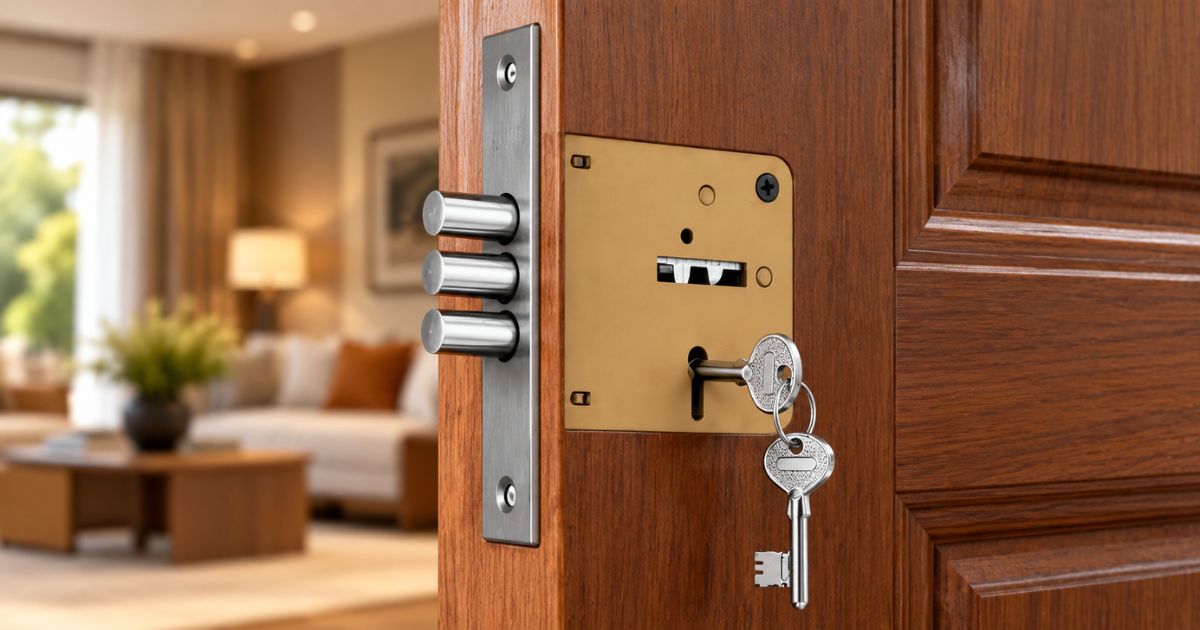
A deadlock throws a solid bolt into the door frame when you turn the key and withdraws it when you turn the key back. ATOM Locks That is all it does.
The key word is dead. Unlike a spring latch, which clicks shut automatically when the door closes and can be pushed back with pressure, a dead bolt does not move unless the key turns it. You cannot push it back with a card, a blade or by forcing the door slightly. It stays where you left it.
Dead Lock vs Spring Latch
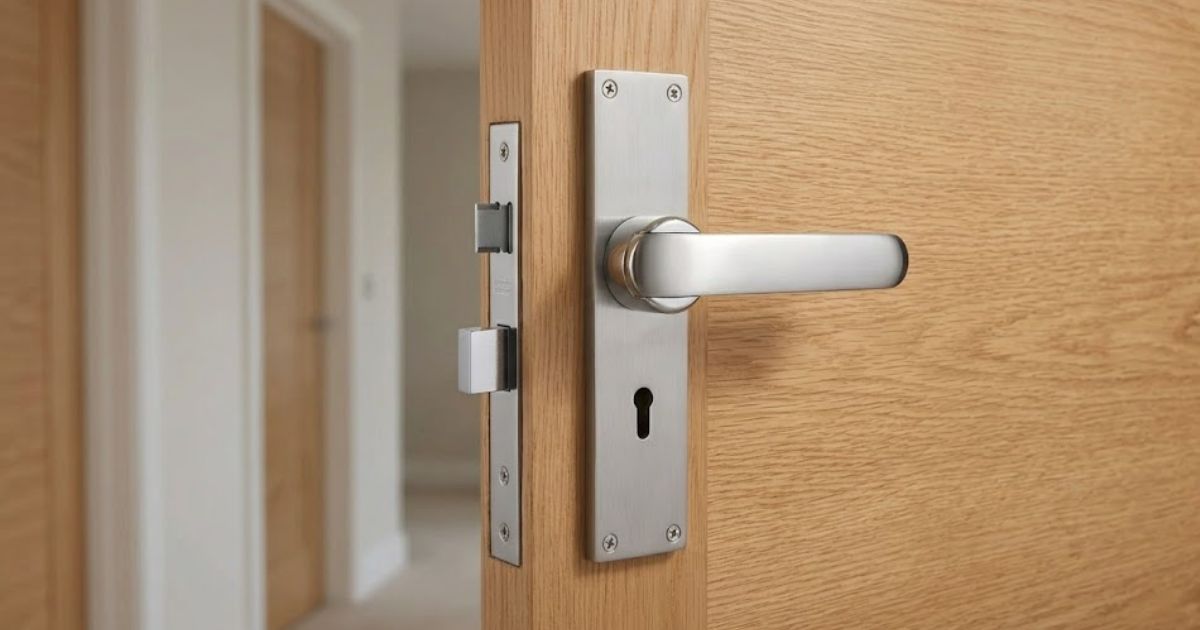
Most handle sets include a spring latch and the angled tongue that clicks into the frame when you shut the door. Latches are convenient because the door stays closed without a key. But because they are designed to retract when pushed, they can sometimes be slipped open with a thin tool, especially if the door has gaps.
A dead lock removes that weakness. With the bolt thrown, the door is held by solid metal that does not respond to pressure on its sides. That is why many mortise locks for main doors combine a latch for daily closing with a separate dead bolt operated by the key.
Where to Fit a Dead Lock for Door Security
The main door as a second lock
Fit a Dead Lock for the door above or below the main mortise lock. Use the main lock daily, and throw the dead lock at night or when the house is empty. Two separate bolts spread the force if someone tries to break the door.
Back and kitchen doors
Back doors are often weaker and less visible. A dead lock adds a secure keyed bolt without needing a full handle set.
Store rooms
Store rooms opened only occasionally are perfect for a dead lock. There is no handle needed, just a key to open and close.
Shop back doors and godowns.
A deadlock adds a strong keyed point to service doors, alongside aldrops and padlocks.
Rented homes
Tenants who want their own lock without replacing the landlord’s main lock often add a dead lock.
Choosing a Good Dead Lock
Check the bolt. It should be solid metal, thick and long enough to go deep into the frame.
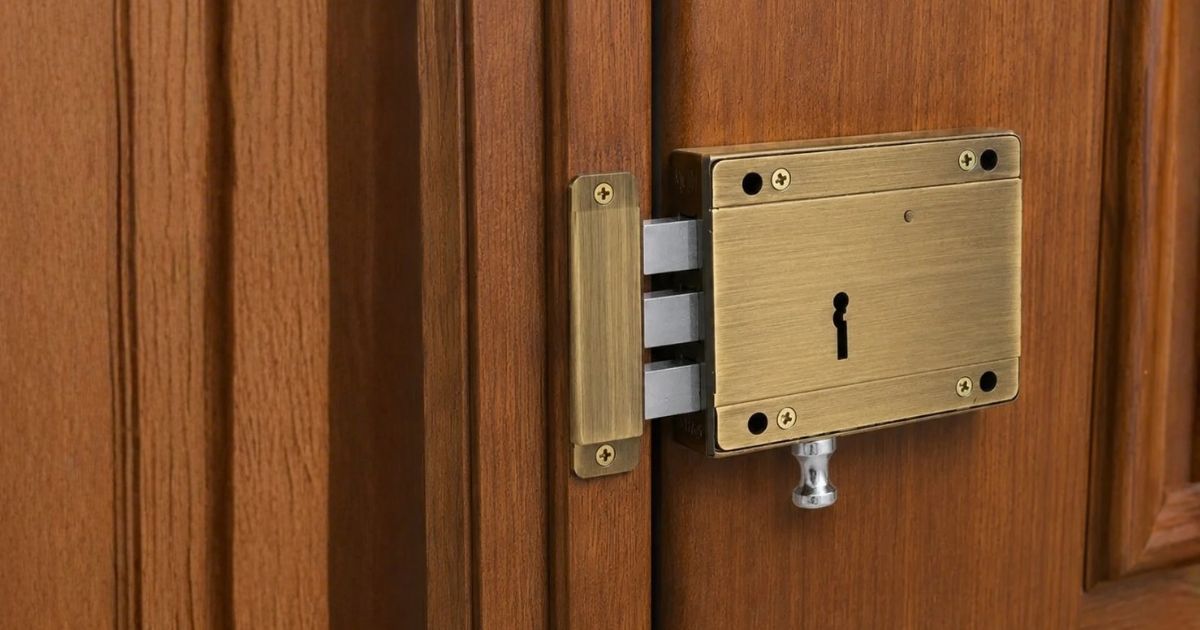
Check the number of keys supplied and how easily duplicates can be cut. Two keys are common for basic dead locks. The ATOM Locks DL-002 dead lock, for example, comes with two keys.
Check the fixing. The lock should be mounted with strong screws into solid wood, and the strike plate on the frame should be equally solid.
For doors exposed to weather, choose a finish that resists rust.
Fitting It Properly
A dead lock is only as strong as its fitting. Place it at a height where it is easy to reach but at least a hand’s width away from the main lock so the two bolts do not weaken the same section of the door.
The bolt must align perfectly with its keep or strike plate. If it rubs, people tend to stop using it. Use long screws into the frame so the strike plate cannot be ripped out with a kick.
Dead locks on grill gates and safety doors
Many Indian homes have a steel grill gate outside the main door. These usually rely on a padlock through a hasp, which can be cut. A dead lock built into the grill frame, or a heavy-duty padlock with a shielded shackle, gives the grill much more resistance. Since the grill is the first barrier a burglar meets, strengthening it often discourages an attempt altogether.
Using a Dead Lock Every Day
The best hardware is useless if it is not used. Make throwing the dead lock part of the night routine, and always before leaving the house empty for more than a few hours. Keep the Dead Lock for the door key on a separate ring if you want to control who can use it.
Remember fire safety. If the dead lock needs a key from inside, keep the key in a fixed, known place near the door at night so anyone can get out quickly in an emergency.
Final Word
A dead lock for door security adds a strong, simple second layer that ordinary latches cannot match. Fit one on the main door, back door or store room, choose a solid bolt and good fixings, and make using it a daily habit. For a small cost, it makes your doors considerably harder to defeat.
Frequently Asked Questions
What is the difference between a dead lock and a latch?
A latch is spring-loaded and retracts under pressure, while a dead lock bolt moves only when the key is turned and cannot be pushed back.
Do I need a dead lock if I already have a mortise lock?
A dead lock adds a second independent bolt, which makes the door harder to force. It is especially useful when the house is empty.
Where should a dead lock be fitted on a door?
Usually above or below the main lock, at least a hand’s width away, so the two bolts strengthen different parts of the door.