
ATOM5: 5% OFF ₹5K+ | ATOM10: 10% OFF ₹10K+ | ATOM15: 15% OFF ₹15K+ | ATOM20: 20% OFF ₹20K+
Ground Floor House Security Through Doors, Windows and Balconies
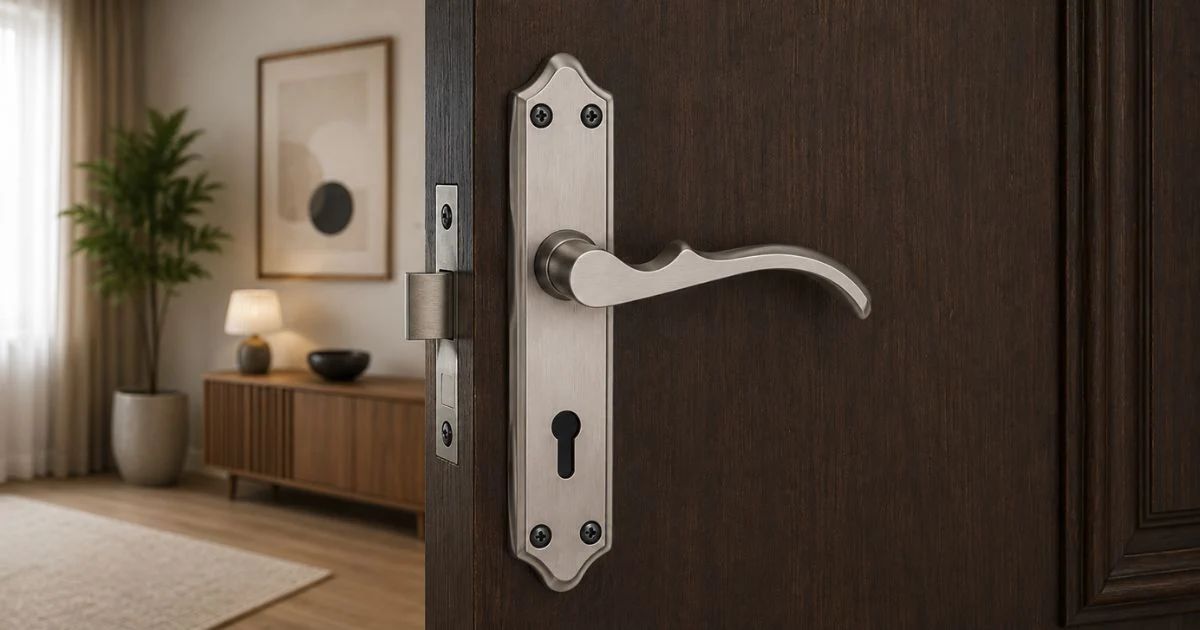
Map Every Entry Point First
Walk around your home from the outside, slowly, and list every way in. Most people are surprised by how many they find.
Typical entry points include the main door, a back or kitchen door, the balcony or sit-out door, bedroom and living room windows, bathroom ventilators, kitchen windows and any utility or wash area doors.
Now rank them. Which ones are hidden from the street? Which ones face a dark-side passage or an empty plot? Those deserve attention first, because burglars prefer places where they will not be seen.
Talk to the neighbours.
In many colonies, the house next door can see your side passage better than you can. Agree with neighbours to keep an eye out for each other, especially during travel. A shared WhatsApp group for a lane or block is often the fastest way to flag a stranger loitering near a back door. Neighbourly attention has stopped more burglaries than any single lock.
Main Door Security on the Ground Floor
Start with a strong, solid door in a firmly fixed frame. Fit a mortise lock with at least 6 levers and a double stage throw. ATOM Locks iron mortise handle sets, such as the 1003-KY, use this type of lock body.
Add an aldrop or tower bolt on the inside for night locking. A grill gate or safety door outside the main door is especially valuable for ground-floor house security, as it lets you speak to visitors without opening up.
Back Doors and Kitchen Doors
Back doors are often the weakest point in ground floor homes. They tend to be lighter, older and less visible.
Treat a back door like a second main door. A keyed mortise lock or dead lock, plus an aldrop and tower bolts on the inside. If the door has glass panels, make sure no bolt is reachable by breaking the glass and putting a hand through.
Utility area doors leading to washing machine spaces or drying areas also need proper bolts, not just a hook.
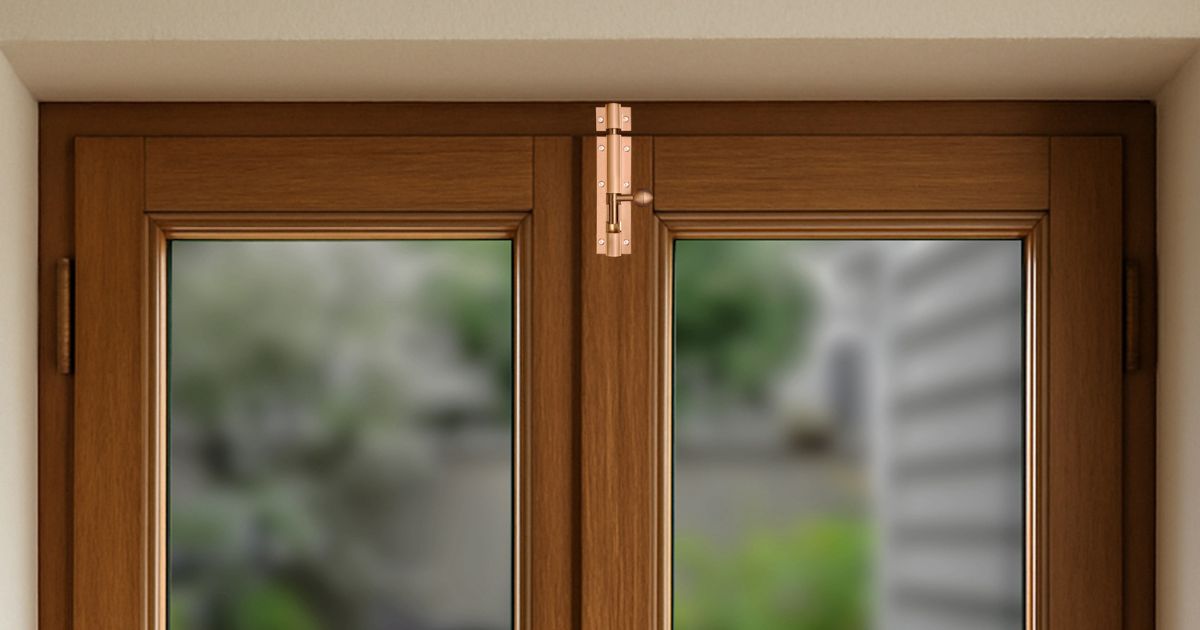
Windows Need Grills and Locks
Ground-floor windows must have grills firmly anchored into the wall rather than screwed onto the frame. Check that the gaps between bars are narrow enough that nobody can squeeze through, including a child.
Behind the grill, fit tower bolts on wooden windows or track locks on sliding windows. On at least one window per bedroom, keep an openable grill section secured with a padlock for the fire escape, with the key kept inside the room out of reach from outside.
Bathroom ventilators and small kitchen windows are easily forgotten. Fix grills or louvres on these too.
Balconies and Sit-Outs
A ground-floor balcony is effectively another door. If it opens to a garden or common area, secure the balcony door with tower bolts top and bottom and a keyed lock. Sliding balcony doors need an extra lock or stop in the track.
Many ground-floor homes enclose their balconies with grills. This allows you to leave the inner door open for air while keeping the space secure.
Lighting, Visibility and Daily Habits
Lighting and visibility
Lighting is one of the cheapest and most effective security tools. Fit lights at the main entrance, the back door and any dark side passages. Motion-sensor lights work well, switching on when someone approaches.
Keep hedges and shrubs near windows trimmed so they do not hide anyone. Avoid leaving ladders, stools or bins near windows, where they could help someone climb.
Daily habits for ground-floor homes
● Close and bolt windows when the house is empty, even for short trips.
● Do not leave doors open while working in the garden or chatting with neighbours.
● Lock the balcony door at night, even in summer. Use a grill or mesh door for air.
● Keep valuables out of sight from windows.
● Know your neighbours. Neighbours who notice unusual activity are one of the best security systems a ground floor home can have.
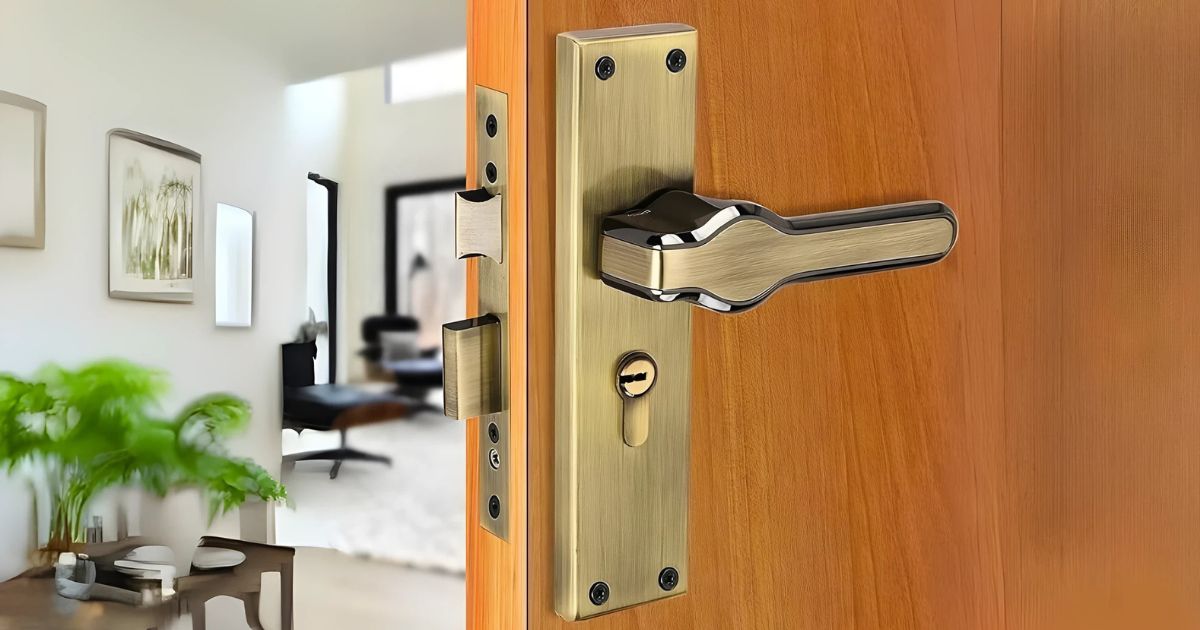
Using These Main Door Security Tips Well
Score yourself on each check. Most homes find two or three weak points. Fix the cheapest and quickest ones first, such as lighting, bolts and hinge screws, then plan for bigger changes like a new door or lock body.
ATOM Locks offers 6 lever double-stage mortise handle sets, aldrops, tower bolts and dead locks that cover most of the hardware upgrades this checklist may point to.
Final Thoughts
The best main door security tips are not complicated. A strong door in a firm frame, a good mortise lock with inside bolts, secure hinges, a grill gate, a way to see visitors, good lighting and steady daily habits. Work through the checklist once a year, fix what you find, and your independent house will be far harder to target.
Frequently Asked Questions
How can I make my main door more secure?
Start with a solid door and frame, fit a 6-lever double-stage mortise lock, add inside bolts or an aldrop, and install a grill gate and good lighting.
What is the most common weakness in main doors?
Weak or hollow doors, loose frames and doors left unlocked are among the most common weaknesses.
Do independent houses need extra security compared to flats?
Usually yes, because they lack shared security like society guards and CCTV and have more access points.