
ATOM5: 5% OFF ₹5K+ | ATOM10: 10% OFF ₹10K+ | ATOM15: 15% OFF ₹15K+ | ATOM20: 20% OFF ₹20K+
How Burglars Break Locks and What Actually Stops Them
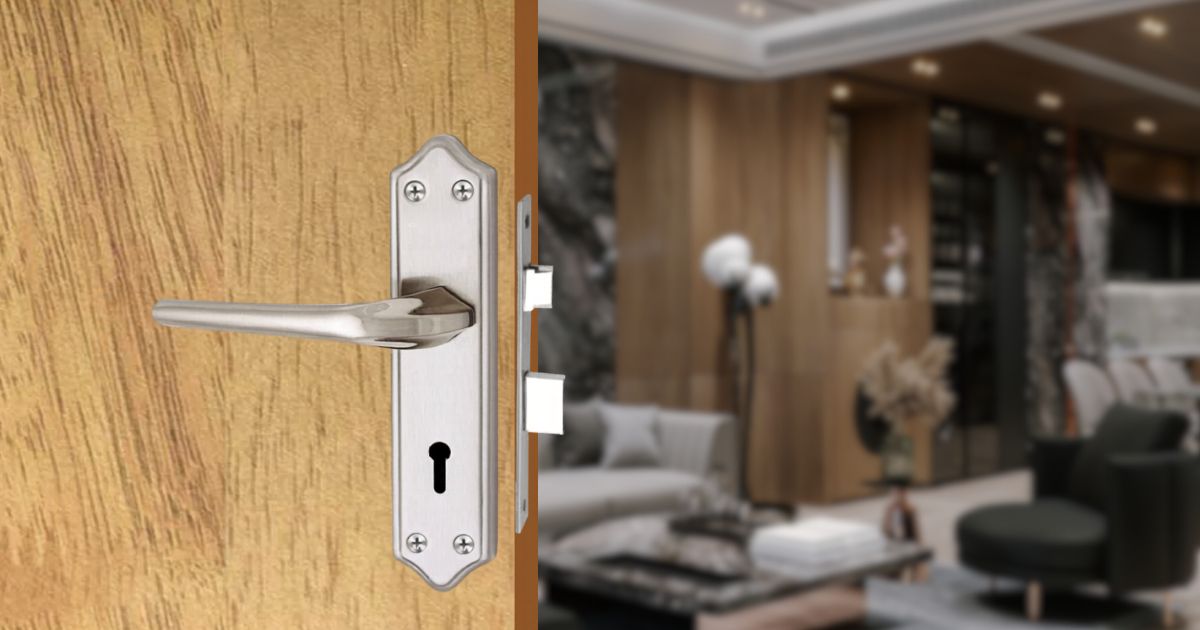
They Look for the Easiest Door, Not the Front Door
Burglars rarely choose the most visible entrance. They look for back doors, balcony doors, how burglars break locks, terrace doors and windows in side passages, where they will not be seen from the street.
These secondary doors are often weaker, older and fitted with cheaper locks. A family may spend generously on the main door and leave the back door with a single rusty bolt.
What stops them? ATOM Locks gives every external door the same attention as the main door. Strong locks, inside bolts and good lighting on all entry points.
Timing matters to them too.
Many house burglaries in India happen in the afternoon, when homes are empty because adults are at work and children are at school, or late at night during festival travel. Burglars watch routines. A house where the same family member always leaves at nine and returns at seven is easier to time than one with irregular movement. Varying routines and keeping the house looking occupied makes their planning harder.
Physical Attacks on Doors and Padlocks
Forcing and kicking the door
The most common method of entry is plain force. A strong kick near the lock, or a shoulder against the door, can break a weak frame or split a thin door.
In these cases, the lock often does not fail. The wood around it does. The strike plate is ripped out of the frame, or how burglars break locks or the door cracks around the lock pocket.
What stops them? A solid door, a frame firmly anchored into the wall, long screws into the strike plate, and a lock with a deep bolt. Double stage locks, which throw the bolt further into the frame, help. Adding a second lock or an aldrop spreads the force across two points.
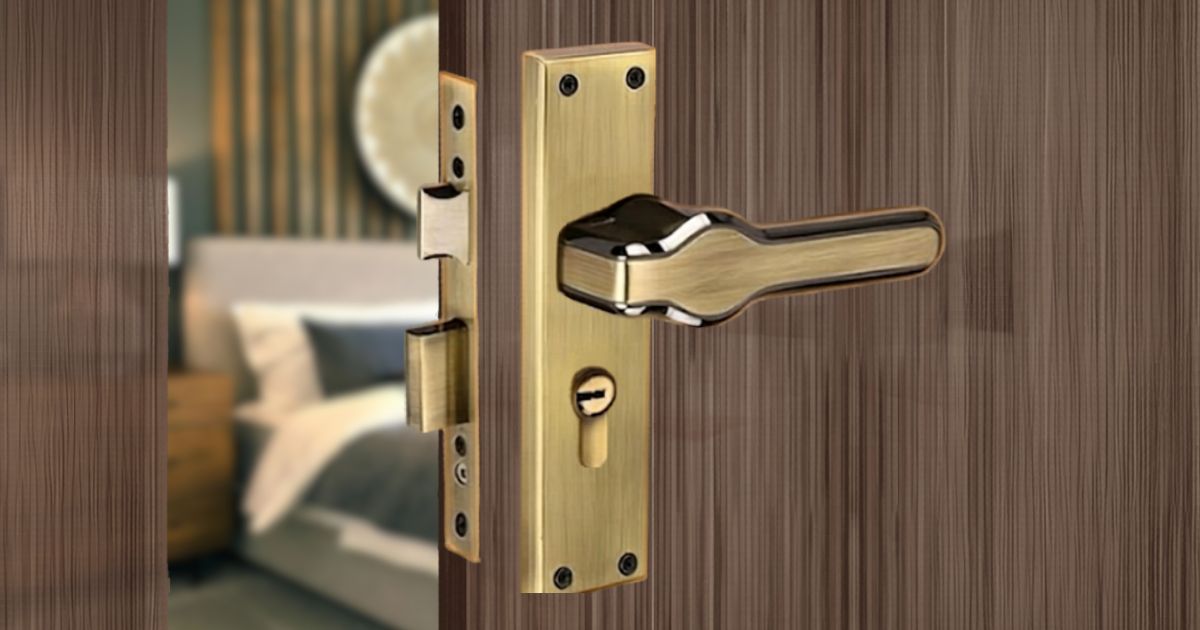
Prying with tools
A crowbar or large screwdriver forced into the gap between door and frame can lever the bolt out of its keep. This works best on doors with wide gaps, short bolts and weak frames.
What stops them. Doors that fit closely in their frames, bolts that go deep into the frame, and multiple locking points such as tower bolts at the top and bottom.
Cutting or breaking padlocks
Padlocks on gates, shutters and aldrops are often the first target. Cheap padlocks with thin shackles can be cut with bolt cutters or broken with a hammer.
What stops them? Padlocks with hardened shackles, heavier bodies and shackles that are partly shielded. Using two padlocks on a shutter, one on each side, instead of one in the centre.
Quieter Methods Burglars Rely On
Slipping spring latches
A spring latch, the angled tongue that clicks shut, can sometimes be pushed back with a thin card or blade slipped into the door gap. This works on doors where only the latch is holding the door, not a dead bolt.
What stops them? ATOM Locks Always throw the key bolt or a separate dead lock when leaving the house. Never rely on the latch alone.
Picking and key tricks
Lock picking is less common in Indian residential burglaries than force, but it does happen with basic locks. Locks with few levers and simple keys are easier targets.
Key copying is more common. A key left with a careless helper, lent to a broker, or hidden under a doormat can be copied in minutes.
What stops them? A 6-lever door lock or better, which is harder to pick. Strict key control and changing the lock whenever keys go missing.
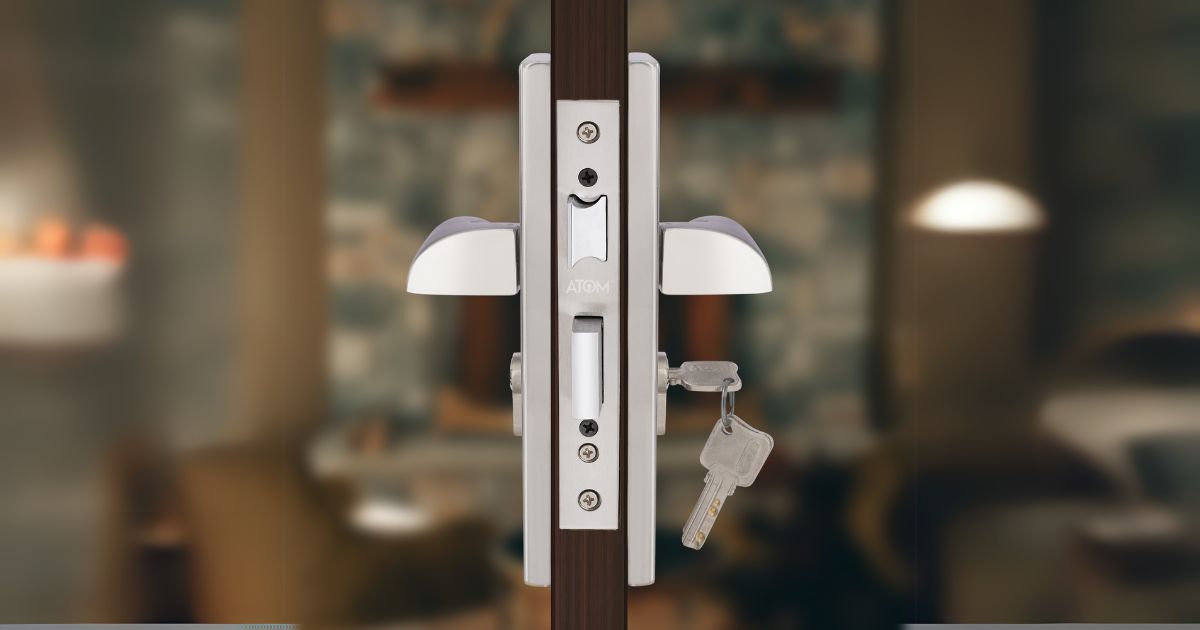
Using unlocked doors and windows
Perhaps the biggest category of all. Doors left unlocked during the day, balcony doors left open at night, and windows without grills on lower floors.
What stops them? Habits. Lock up every time, bolt balcony and terrace doors at night, and fix grills on lower floor windows.
How Burglars Break Locks Less Often in Well-Prepared Homes
Most burglars give up when a home looks difficult. Good lighting, visible strong locks, a grill gate, a barking dog or a watchful neighbour all encourage them to move on.
Burglars also prefer homes that look empty. Piled-up newspapers, padlocks on the outside of gates during festival travel, and dark windows for days all signal an opportunity.
Understanding how burglars break locks shows a clear pattern. They exploit weak doors, weak frames, cheap padlocks, latches left unlocked and keys left in the wrong hands. Strong doors and frames, 6-lever double-stage locks, inside bolts, good padlocks, strict key control and steady habits close nearly all of these gaps.
Frequently Asked Questions
What is the most common way burglars get into Indian homes?
Forcing weak doors and frames, and entering through unlocked or poorly secured back doors, balconies and windows.
Can a good lock stop a burglar?
A good lock helps a lot, but it must be fitted on a strong door and frame and supported by inside bolts and good habits.
Do burglars pick locks in India?
Some do, but force and unlocked entry points are far more common. A 6-lever lock makes picking much harder.