
ATOM5: 5% OFF ₹5K+ | ATOM10: 10% OFF ₹10K+ | ATOM15: 15% OFF ₹15K+ | ATOM20: 20% OFF ₹20K+
Main Door Lock Buying Guide for Indian Homes in 2026
Start with Your Door and Your Risk
Before comparing locks, look at two things.
The door itself. Is it solid wood, engineered wood, a flush door or steel? How thick is it? Does it have a grill or safety door outside? A strong lock on a weak door is wasted money.
Your situation. An independent house on a quiet street faces different risks from a flat on the eighth floor of a gated society. Ground floors, corner plots, houses that stay empty during travel, and homes in areas with recent burglaries need more security. A high-rise flat with security guards and CCTV may need less.
Main Door Lock Types in Indian Homes
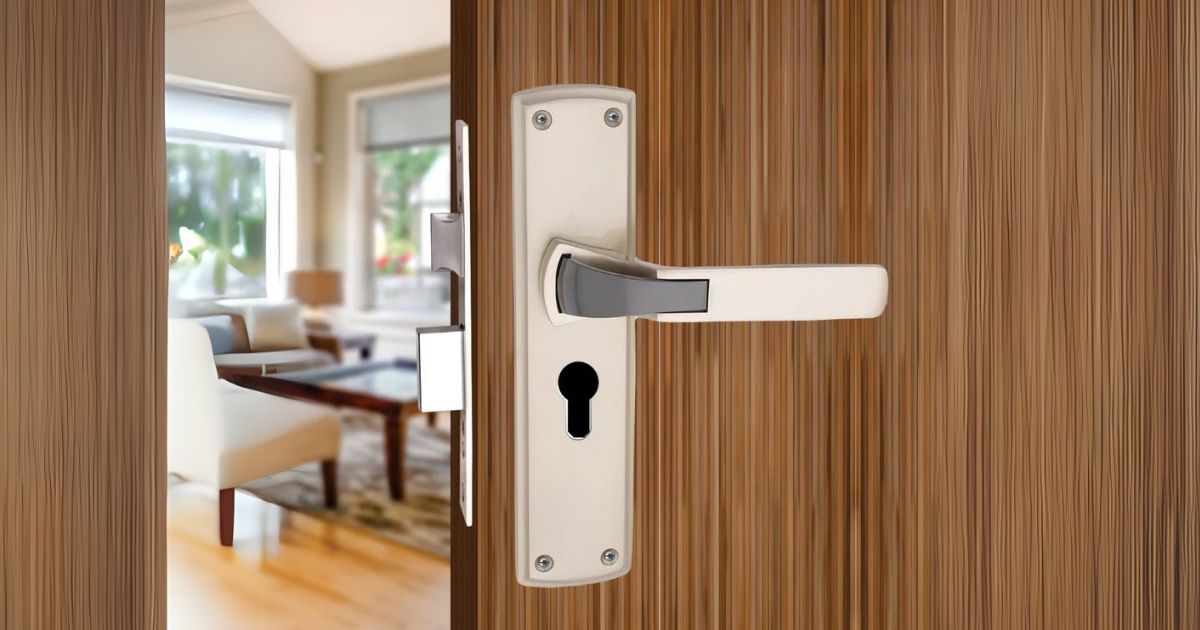
Mortise locks with handle sets
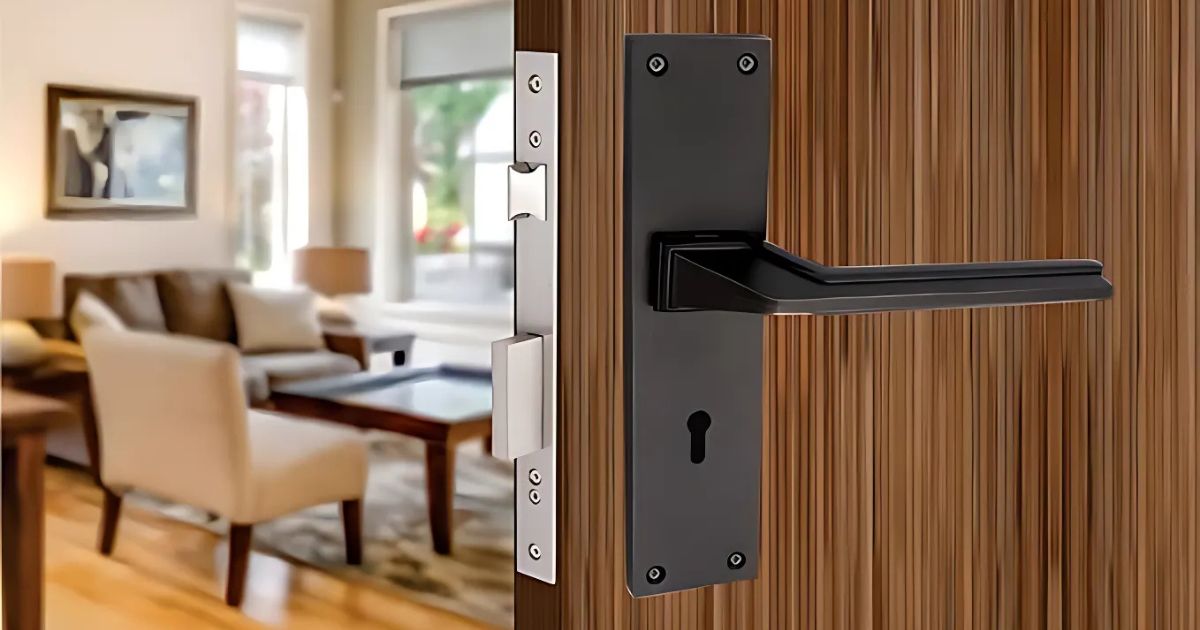
The most common main door lock in India. The lock body sits inside a pocket cut into the door edge, and handles on both sides operate the latch. A key cylinder throws the main bolt. Mortise locks are strong because the door itself protects the lock body.
Rim locks
Mounted on the inside surface of the door rather than inside it. Easier to fit, common on older doors and secondary doors, but generally less secure than a well-fitted mortise lock on a main entrance.
Dead locks
Throw a solid bolt only with a key, with no spring latch. Often used as a second lock above or below the main lock for added security.
Aldrops and tower bolts
Fitted on the inside for night security. Not a lock by themselves, but an important layer.
Smart and digital locks
Use fingerprint, PIN, card, face or app access, usually on top of a mortise lock body. Popular in new apartments. Always choose one with a mechanical key backup.
Bolt strength and length
A thick, solid bolt that goes deep into a strong strike plate resists forcing far better than a thin, short one.
Number of keys
Most main door lock sets come with three keys. Know exactly how many exist and who holds them.
Material and Finish
Main door handles take daily use and sometimes weather. Iron offers strength at a good price. Zinc alloy allows detailed designs and good finishes. Brass is premium and durable. Stainless steel resists corrosion, which suits coastal or exposed doors.
For finishes, black silver, brass antique, black gold and CP matt are popular in Indian homes. ATOM Locks Choose based on the door colour and your interior style, but also on exposure. A door facing sun and rain needs a durable finish that will not peel.
Main Door Lock Design and Proportion
The main door is the face of the home, and its hardware is part of that look. An 8-inch handle plate suits most standard main doors. Tall or double doors may suit long pull handles with a separate lock.
ATOM Locks‘ main door pull handles, like the Walnut series in PVD rose gold, show how hardware can become a design feature on modern entrances. Traditional carved doors look best with antique brass or black finishes in classic shapes.
Layering for Better Security
The strongest homes rarely rely on one lock. A practical layered setup for most Indian homes looks like this.
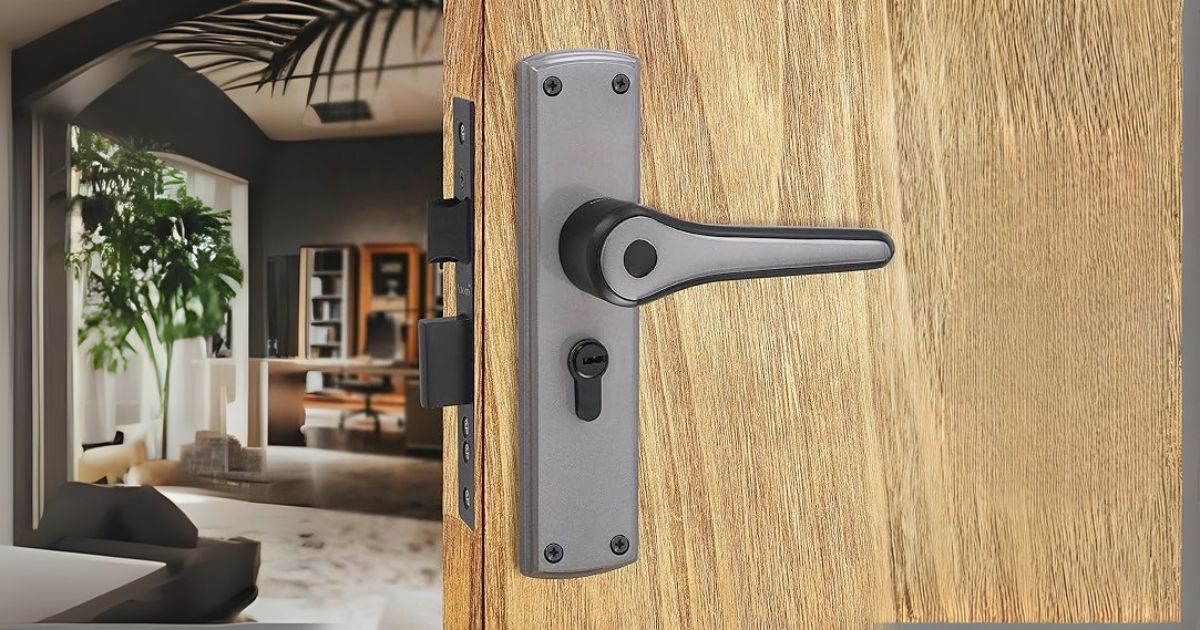
● A 6-lever double-stage mortise lock as the main lock.
● An aldrop or tower bolts on the inside for the night.
● A dead lock or padlock for when the house is empty.
● A grill or safety door outside, especially on lower floors.
● Good lighting and, where possible, a video doorbell.
Fitting and care
Use an experienced carpenter. The mortise pocket should fit snugly, the strike plate should align perfectly, and the door should close without force. Lubricate the lock lightly before the monsoon and tighten handle screws once a year.
Final Thoughts
Choosing the right main door lock is about matching the lock to your door and your risk, then choosing quality where it matters most. A 6-lower double-stage mortise lock with a strong bolt is a dependable base for most Indian homes. Add layers like aldrops and deadlocks, pick a durable finish that suits your entrance, and fit it properly. That combination will protect your home for many years.