ATOM5: 5% OFF ₹5K+ | ATOM10: 10% OFF ₹10K+ | ATOM15: 15% OFF ₹15K+ | ATOM20: 20% OFF ₹20K+
Office Cabin Door Lock and Meeting Room Hardware Guide
Not Every Office Door Needs the Same Lock
Start by listing the office cabin door lock and what each one protects. A typical small or mid-sized office in India has a few distinct types.
Owner or director’s cabin. Contains confidential files, laptops and sometimes cash or cheque books. Needs a keyed lock that can be secured when the occupant leaves.
Manager cabins. Often used for one-on-one meetings. Need privacy while in use and locking after hours.
Meeting or conference room. Needs privacy during meetings but rarely needs to be locked, unless expensive AV equipment is installed.
Accounts or records room. Holds financial documents. Needs strong keyed locking with tightly controlled keys.
Pantry, store and washrooms. Usually need only latches or simple privacy locks.
Once you see the office this way, it becomes clear that buying the same lock for every door wastes money on some and under-protects others.
Choosing an Office Cabin Door Lock
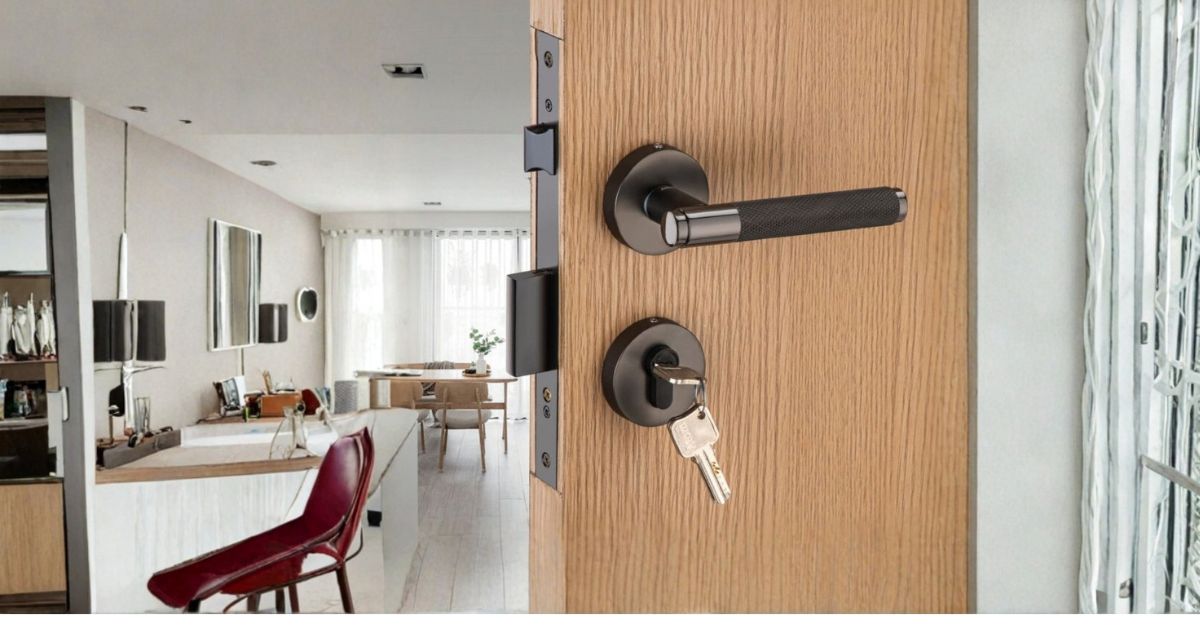
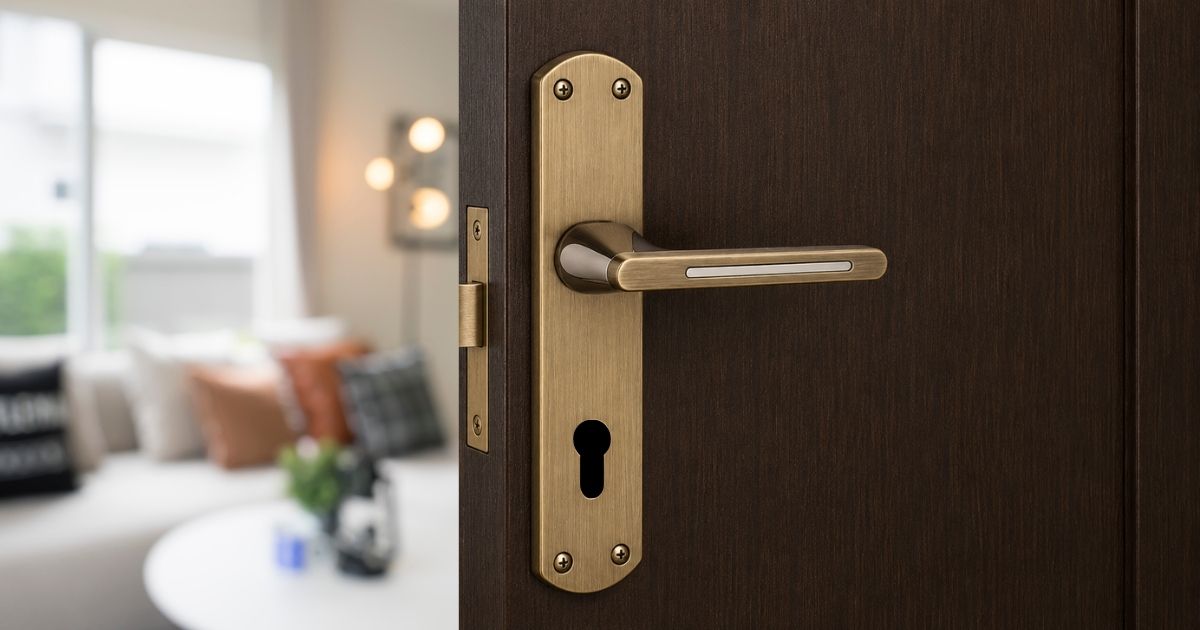
For cabins with wooden or laminated doors, a mortise lock with a lever handle set is the standard choice. It fits inside the door, looks professional, and can be locked with a key from outside while still opening freely from inside.
Pay attention to the lock body. For the owner’s cabin and the accounts room, choose a lock body with more levers and a double-stage throw. For regular manager cabins, a standard lock body is fine.
Lever handles suit offices better than knobs. They are easier to operate with a laptop or files in one hand, and they work well for visitors with limited grip strength.
ATOM Locks offers mortise handle sets in iron, zamak and stainless steel series, so offices can keep the same look across all cabins while varying the lock body based on what each room needs.
Meeting Rooms, Glass Cabins and Support Rooms
Many modern offices use glass partitions for cabins and meeting rooms. Glass doors need different hardware.
Pull handles fixed through the glass are the most common choice. They are easy to grip and look clean. If a glass cabin needs locking, a floor lock or a patch lock at the bottom of the door is used, operated with a key.
For meeting rooms, an occupancy indicator can be useful in busy offices. It shows whether the room is in use without anyone having to knock and interrupt.
These doors are easy to forget during a fit-out, yet they get some of the heaviest use. Office washrooms work well with an indicator bolt so staff can see when one is occupied. The pantry usually needs only a latch and a door stopper to protect the wall. The store room, which often holds stationery, printer toner and spare equipment, benefits from a simple keyed lock so stock does not quietly disappear.
Door Closers for Busy Office Doors
A door closer pulls the door shut automatically after someone walks through. In offices, closers help in several ways. They keep air conditioning inside cabins, reduce noise, and make sure doors to confidential rooms are not left open by mistake.
Choose a closer rated for the weight of the door. A closer that is too weak lets heavy doors drift open, and one that is too strong slams light doors. Adjustable closers let you set closing speed and the final latching push. ATOM Locks offers door closers that can be paired with mortise handle sets on cabin doors.
Key Control Is Part of Security
The best office cabin door lock is only as secure as the keys that open it. A few habits make a big difference.
● Keep a written register of which keys exist and who holds them.
● Store spare keys in a locked key box rather than an open drawer.
● When an employee with keys leaves, collect every key on their last day.
● If keys are lost or not returned, change the lock body rather than hoping for the best.
● For the accounts room and owner’s cabin, limit keys to the smallest possible number of people.
Bringing It Together
Planning each office cabin door lock around the job of that room gives better security without overspending. Strong keyed mortise locks for sensitive cabins, privacy latches for meeting rooms, proper glass hardware for glass partitions and door closers where doors see constant traffic. Combine the hardware with a simple key register, and the office stays both secure and easy to use.