ATOM5: 5% OFF ₹5K+ | ATOM10: 10% OFF ₹10K+ | ATOM15: 15% OFF ₹15K+ | ATOM20: 20% OFF ₹20K+
School Door Hardware for Classrooms, Labs and Staff Rooms
What Makes School Door Hardware Different
Three things set schools apart from homes and offices.
The users are children, who are rough on hardware and vulnerable to pinched fingers and falls.
The volume is very high. Corridors fill and empty within minutes at every bell.
The responsibility is shared. Doors are opened and locked by teachers, peons, security staff and administrators, which makes key control harder.
Good school door hardware accounts for all three.
Classroom Door Hardware
Classroom doors need to be easy to open from inside at all times. In an emergency, children must be able to leave quickly without help.
A mortise latch with a lever handle on both sides suits most classrooms. For locking after school hours, a keyed lock on the outside, with a simple inside handle that always opens the door, is the safest arrangement. Avoid any lock that needs a key from inside.
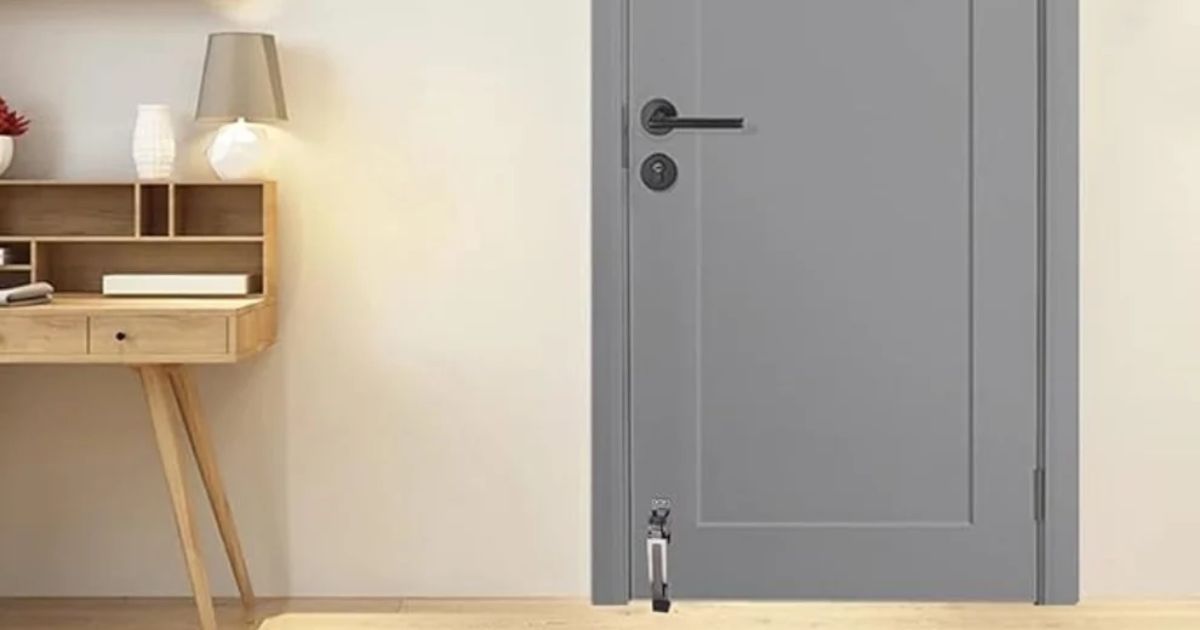
Fit door stoppers or wall-mounted door stops so the handle does not punch holes in the plaster when children fling the door open. ATOM Locks offers door stoppers and door stops in zinc and other finishes that suit this kind of heavy daily use.
Choose solid handles rather than hollow ones. Children hang on handles, and hollow handles bend or loosen quickly.
Science Labs and Computer Rooms
Labs hold chemicals, glassware and expensive equipment. Computer rooms hold costly machines that are attractive to thieves.
Use strong keyed mortise locks with multi-lever lock bodies on these rooms. Fit a door closer so the door does not stay open when the class leaves. Keep keys with the lab in-charge and a spare at the principal’s office.
In chemistry labs, check that the door opens outward toward the corridor where possible, and that nothing blocks it from inside. This makes evacuation easier if there is a spill or fire.
Staff Rooms, Offices and Record Rooms
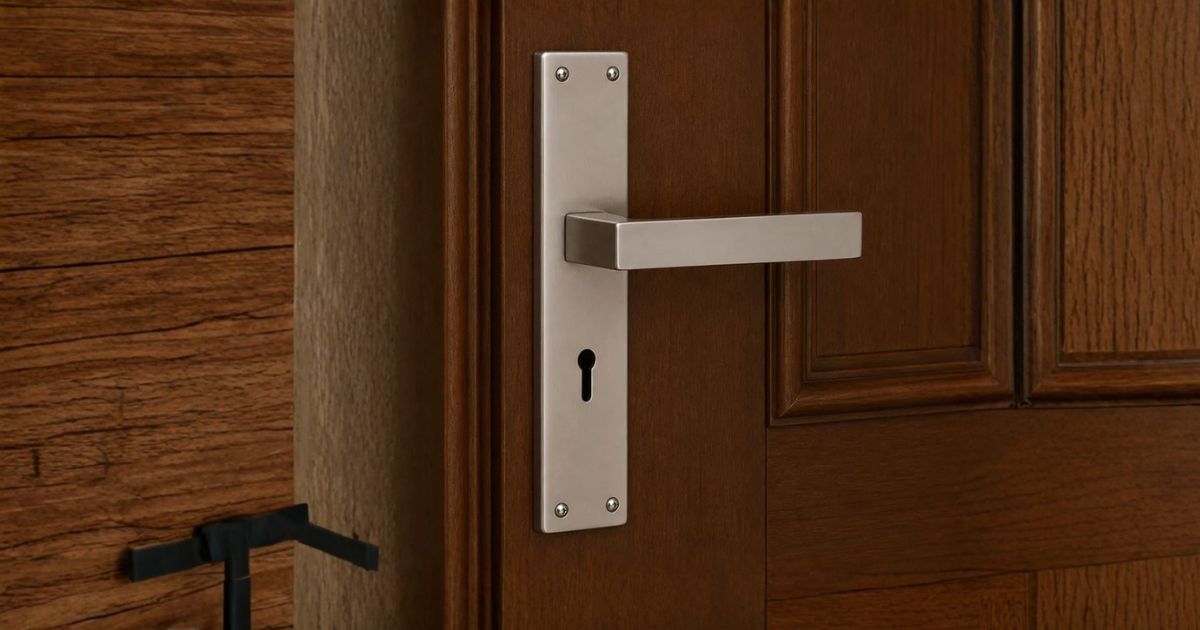
Staff rooms need privacy and locking after hours, since teachers leave bags, laptops and exam papers inside. A mortise handle set with a keyed lock works well.
Principal’s offices and accounts rooms hold fee records, cash and confidential files. These need the strongest locks in the building, with keys limited to a small number of people.
Exam paper storage deserves special attention. Many schools use a locked steel cupboard inside a locked room, School Door Hardware giving two layers of security during exam season.
Washrooms for students
Student washrooms should never allow a child to become trapped. Use indicator bolts or privacy latches with an emergency release for cubicles. Stainless steel handles and fittings survive the constant cleaning these areas need.
Main washroom doors often benefit from a door closer to maintain privacy, but adjust it so that smaller children can still push the door open.
Door Closers in Schools
Many schools in India still have older buildings with heavy wooden doors that were never designed for closers. Before fitting a closer to such a door, ATOM Locks check that the hinges and frame are strong enough to take the extra load. Weak hinges sag within months once a closer starts pulling on the door every few minutes.
Closers help keep corridors quieter, protect air-conditioned rooms and make sure doors to sensitive rooms are not left open. But they need careful adjustment.
A closer that is too strong makes doors hard for young children to open and can swing back with force. Set closers to close slowly and latch gently. In junior wings, consider leaving classroom doors without closers and using door stoppers to hold them open during class.
Key Control Across the Campus
A school can easily have a hundred or more keys. Without a system, keys get lost within months.
● Keep a central key register with the administrative office.
● Tag every key with a room number code, not the room name.
● Store spare keys in a locked key cabinet.
● Collect keys from staff who leave or transfer.
● Replace lock bodies for any lost key that opens a sensitive room.
Bringing It Together
Good school door hardware balances safety, durability and control. Classrooms need easy exits and sturdy handles, labs and offices need strong locks, washrooms need emergency release, and door closers need gentle settings for young children. Add door stoppers and a simple key system, and the school’s doors will stay safe and serviceable for many years.
Frequently Asked Questions
What lock is best for a classroom door?
A lever handle with a latch that always opens from inside, plus a keyed lock on the outside for after-hours security.
Should school doors have door closers?
They are useful for labs, offices and washrooms. In junior classrooms, set them to close slowly or use door stoppers instead so young children can manage the door.
How can schools prevent children’s fingers getting trapped?
Use door stoppers to hold doors open, adjust closers to close slowly, and consider finger guards on the hinge side in junior wings.