
ATOM5: 5% OFF ₹5K+ | ATOM10: 10% OFF ₹10K+ | ATOM15: 15% OFF ₹15K+ | ATOM20: 20% OFF ₹20K+
Sliding Door Handle Ideas for Living Room and Dining Partitions
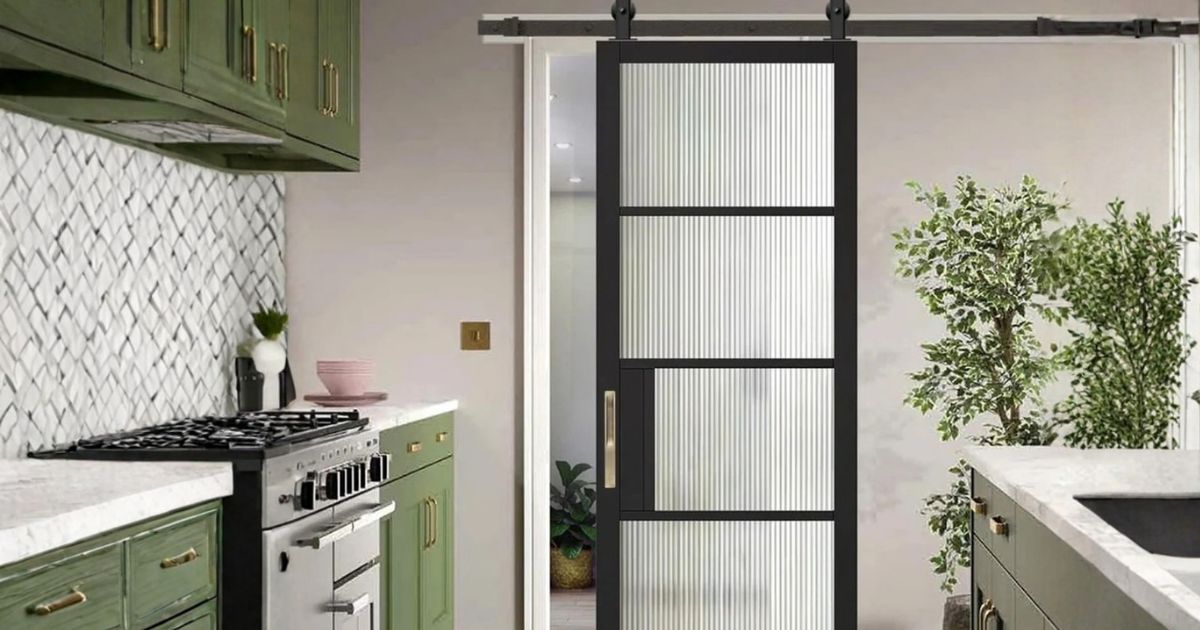
How Sliding Door Handles Change the Handle Rules
On a swinging door, the handle turns a latch. On a sliding door, the handle is mostly something to pull. That sounds simple, but it creates a few practical issues.
If the door slides past a wall, a handle that sticks out will hit the wall or the frame. If the door slides into a cavity inside the wall, any projecting handle will stop it from closing fully. And because people pull sliding doors sideways rather than pushing down, the grip shape matters more than it does on a lever.
So before choosing a design, check exactly how your door moves and how much clearance there is on each side.
Main Types of Sliding Door Handle
Flush pulls
A flush pull is a recessed cup set into the face of the door. Nothing sticks out, so the door can slide flat against a wall or into a pocket. Flush pulls suit pocket doors, wardrobe-style partitions and any door with tight clearance.
The downside is grip. A shallow flush pull can be hard to use with wet hands or for children.
Bar or pull handles
A straight or slightly curved pull handle fixed to the face of the door gives a much better grip. It is the most comfortable option for heavy wooden sliding doors that are opened many times a day.
Pull handles work when the door slides along the outside of a wall and there is enough gap between the door and the wall. They look striking on tall living room partitions and are available in long lengths for full-height doors. ATOM Locks offers pull handles in aluminium, steel and zinc, including longer sizes suited to tall doors.
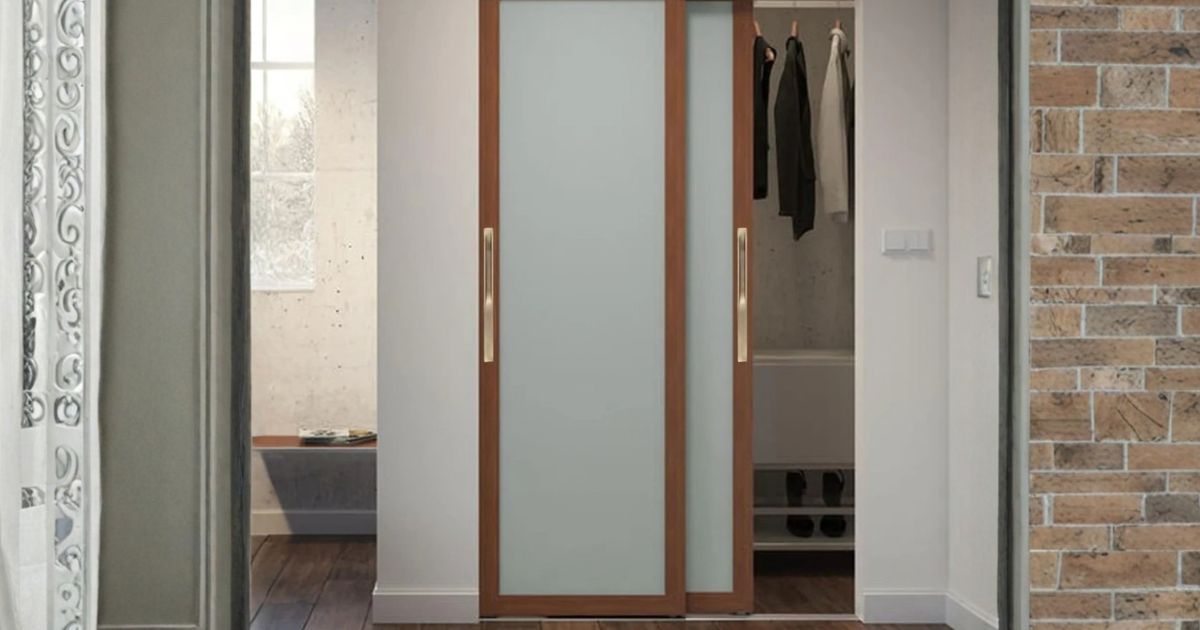
Combination of both
Many homeowners fit a pull handle on the side of the door that faces the room and a flush pull on the side that slides against the wall. This gives a comfortable grip where it matters and full clearance where it is needed.
Does a Living Room Sliding Door Need a Lock
Usually not much of one. Most living room and dining partitions are about separating space, keeping out cooking smells or air conditioning, or creating privacy for a study corner.
If you do want some locking, there are simple options. A small hook lock on the edge of the door keeps it shut from one side. A sliding door lock with a turn piece suits a door that closes off a guest room or home office. For security against outsiders, though, the sliding partition is the wrong place to invest. That job belongs to the main door and balcony door.
Matching the Sliding Door Handle to Your Interior
A tall wooden sliding door is often the largest single surface in a living room, so its handle becomes a visible design element.
Long black bar handles look sharp on light oak or walnut laminates and suit modern interiors. Brushed steel and satin silver suit grey and white schemes. Antique brass pulls look warm on veneered or polished wooden doors with traditional furniture. Rose gold pairs well with marble flooring and pastel walls.
Try to match the sliding door handle with the finish used on cabinet handles in the TV unit or crockery unit nearby. When the metal finishes in a room agree, the whole space looks planned. ATOM Locks pull handles and cabinet handles come in overlapping finishes, which makes this matching easier.
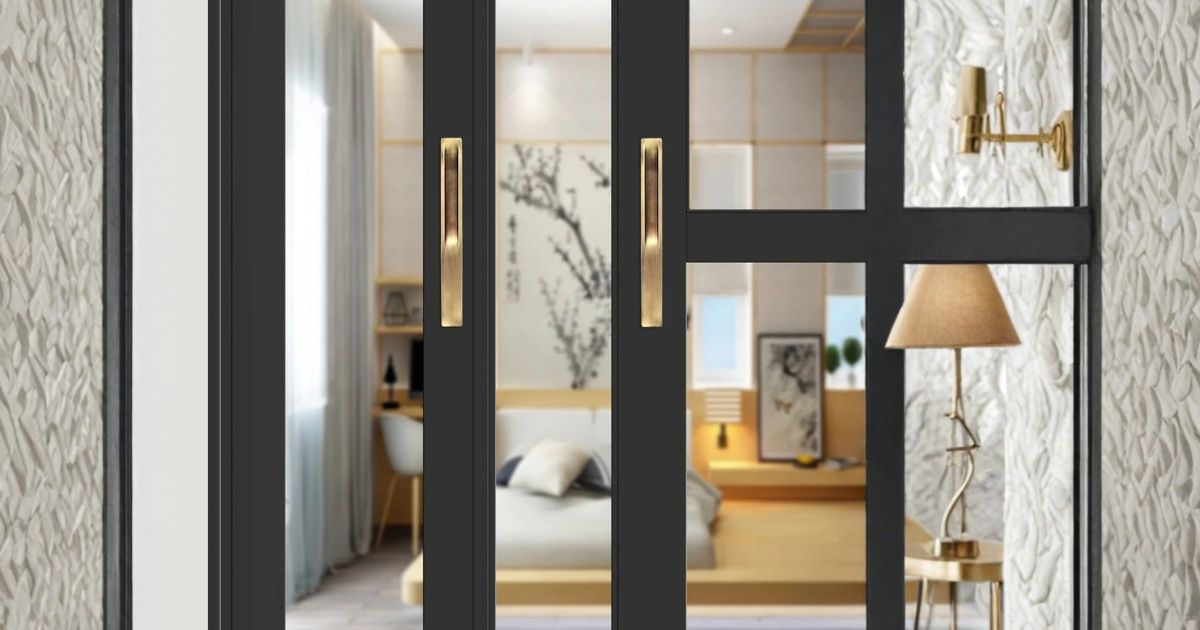
Installation Tips That Save Trouble Later
● Fix the handle at a comfortable height, usually around waist level for adults.
● For long bar handles, use through-bolts rather than only wood screws if the door will be pulled hard.
● On glass sliding doors, use handles designed for glass with rubber washers to protect the panel.
● Check the clearance with the door fully open before drilling.
● Ask the fitter to check the track and rollers at the same time. A stiff track makes any handle feel bad.
Choosing Well
The right sliding door handle depends on three things. How the door moves, how much space it has to clear, and how often it gets used. Flush pulls suit tight spaces, bar handles suit heavy and frequently used doors, and a combination often works best of all. Match the finish to the rest of the room, and the partition will feel like part of the design rather than an afterthought.