
ATOM5: 5% OFF ₹5K+ | ATOM10: 10% OFF ₹10K+ | ATOM15: 15% OFF ₹15K+ | ATOM20: 20% OFF ₹20K+
When to Replace Door Lock on Your Main Door, Signs Not to Ignore
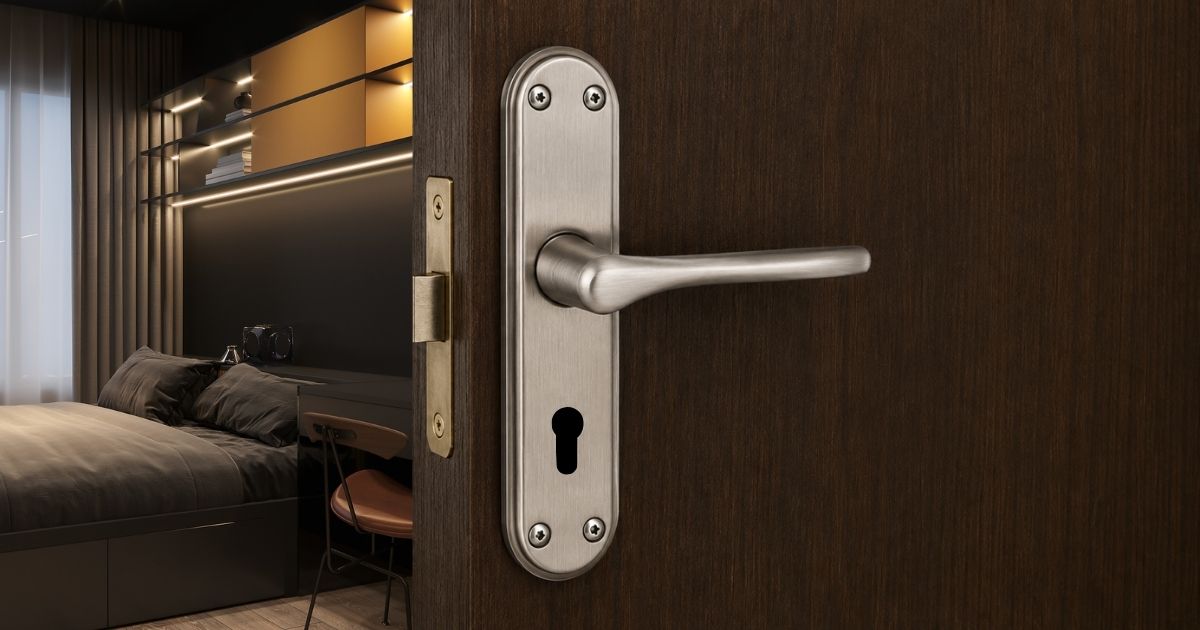
Warning Signs in the Key and Bolt
The key is getting hard to turn.
A key that once turned smoothly but now needs wiggling or force is the most common warning sign.
Sometimes the cause is simple. ATOM Locks Dust or dried grease inside the lock, which a dry lubricant can fix. But if lubrication does not help, the levers or cylinder inside are likely worn. When to Replace Door Lock Forcing a worn lock risks snapping the key inside, which can leave you locked out.
If the stiffness returns soon after lubrication, it is time to replace the lock body.
The key itself is worn.
Keys are too. Look at your main door key next to a spare that has hardly been used. If the steps on the daily key look rounded and smooth, it may stop lifting the levers correctly.
Try the spare key. If it works much better, the old key was the problem. Cut new keys from the spare, not from the worn key. If both keys struggle, the lock is worn.
The bolt does not throw fully.
When you lock the door, the bolt should extend fully into the frame. If you notice it stopping short, or you need to push or pull the door to get it to throw, the cause may be door misalignment or a failing lock mechanism.
Check the door first. Sagging hinges or a swollen door can block the bolt. If the door is fine and the bolt still does not throw fully, the lock body needs replacing. A half-thrown bolt offers much less security.
Warning Signs in the Handle and Finish
The handle is loose or drooping.
A handle that wobbles or does not spring back to horizontal after use has worn springs or loose fixings. Tightening the screws sometimes helps. If the handle still droops, the spring inside the handle or lock body is worn out.
Handle sets can often be replaced without changing the lock body, but if both are old, replacing the whole set together usually makes sense.
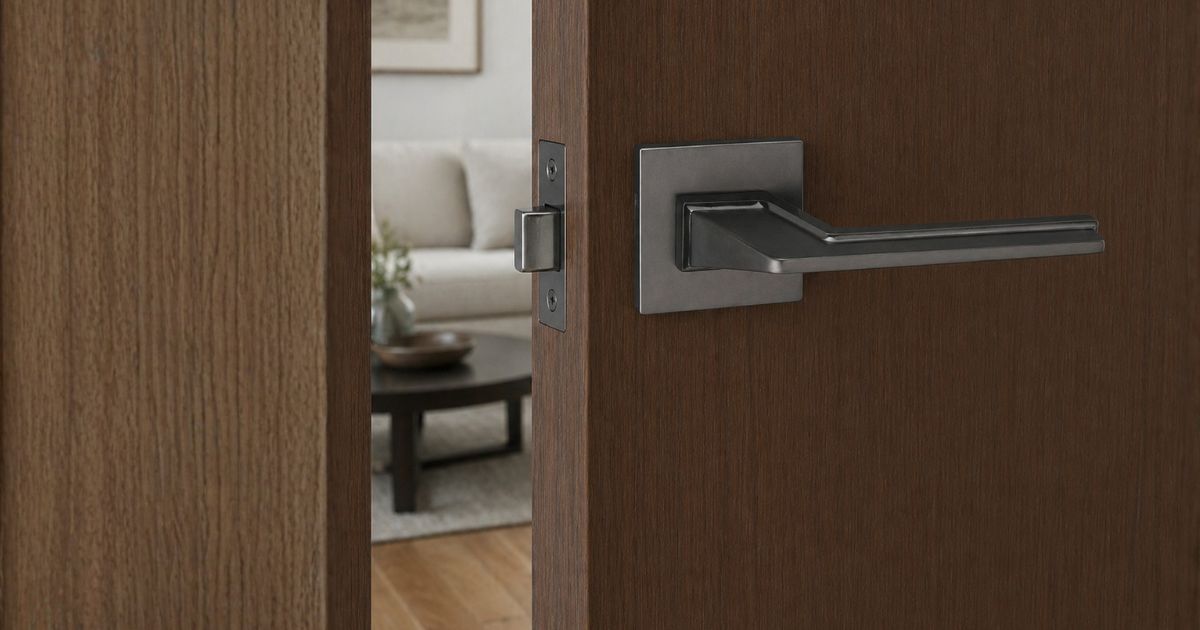
Visible rust or damage
Rust on the bolt, handle or key cylinder suggests moisture has got inside. Rust inside a lock spreads and eventually seizes the mechanism. Cracks in the handle, bent bolts or a damaged keyhole after a break-in attempt also mean replacement.
Situations That Call for Replacement Regardless of Condition
Sometimes a lock should be replaced even if it works perfectly.
You moved into a new home. Previous owners, tenants, brokers or workers may still have keys.
Keys were lost or stolen. Especially if the keys were with something showing your address.
A key holder has left. Former domestic help, tenants or staff who did not return keys.
There was a break-in or attempt. Even if the lock was not damaged, it may have been tampered with.
The lock is too basic. An old 3 lever lock on a main door should be upgraded to a 6 lever double stage lock.
Get the spare keys checked too
When to Replace Door Lock, gather every old key and keep them separately or dispose of them. Otherwise, years later, nobody will remember which key opens what, and the clutter of old keys becomes a security risk of its own. Label the new keys discreetly and note how many were supplied.
Replace the Body, the Set or the Door
Not every problem needs a full replacement.
Only keys worn. Cut new keys from a good spare.
The lock body is worn, and the handles are fine. Replace the lock body if the new one fits the same pocket.
Handles and locks are both old. Replace the whole mortise handle set. ATOM Locks offers iron mortise handle sets with 6-lever double-stage lock bodies and three keys, such as the 1002-KY and 1003-KY, which
suit most standard main doors.
The door is rotten or the frame is loose. Repair or replace the door first. A new lock on a failing door adds little.
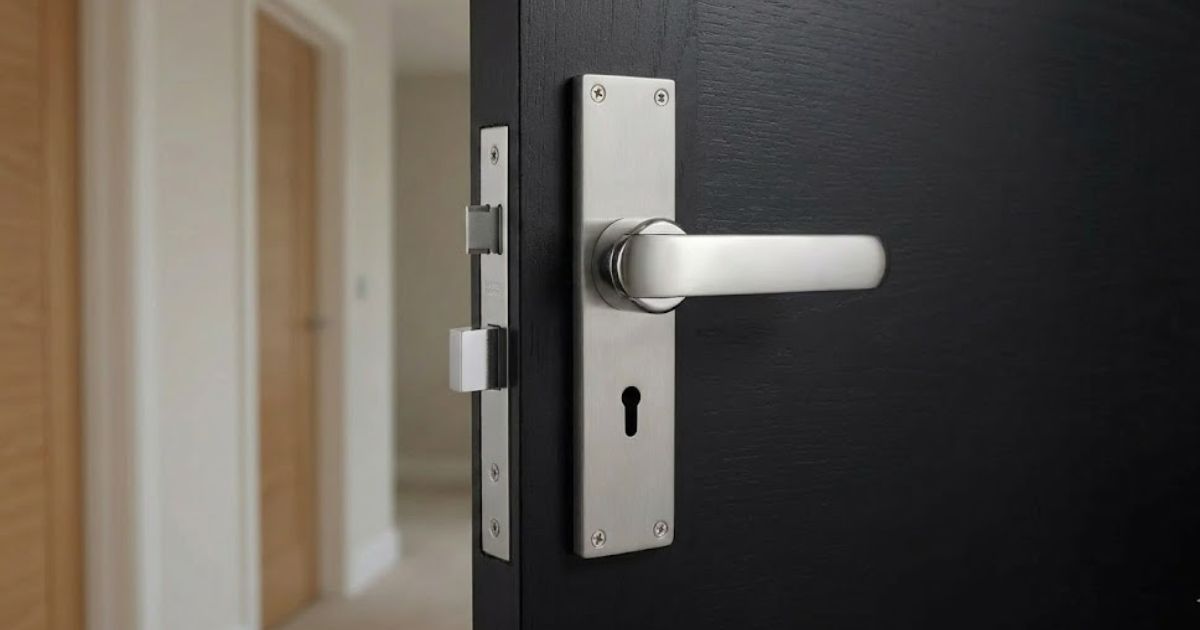
Signs That Mean When to Replace Door Lock Is Now
Deciding when to replace door lock hardware is simpler than it seems. If the key sticks after lubrication, the bolt does not throw fully, the handle droops despite tightening, rust is visible, or keys are unaccounted for, do not wait. A main door lock costs far less than the stress of a lockout or a break-in.
Frequently Asked Questions
How long does a main door lock last?
A good quality mortise lock can last many years with care, but heavy use, humidity and poor fitting shorten its life. Watch for warning signs rather than relying on age alone.
Should I replace the lock after moving into a new house?
Yes. You cannot know who still has keys, so changing the lock body is a sensible first step.
Can I replace just the lock body and keep the handles?
Yes, if the new lock body fits the existing door pocket and handle spindle. Replace both if the handles are also worn.