A family moves into a sea facing flat in Mumbai. Eighteen months later the balcony door lock has a powdery white bloom on the faceplate, the latch drags, and the key needs a wiggle to turn. Nothing was wrong with the lock when it was fitted. It was simply the wrong material for salty, damp air. That is the problem a stainless steel mortise lock is meant to solve, and it is worth knowing where it truly helps and where it does not.
A mortise lock has a body that sits inside a pocket cut into the door edge, a faceplate you see on the edge, and a strike plate on the frame. The material of those parts decides how the lock ages in your climate. There are three you will meet most often in India.
Brass vs stainless steel lock bodies, with zinc alongside
Stainless steel. Strong, hard and very resistant to rust when it is a good grade. It keeps a clean silver look and needs almost no care. It can feel a little plain on traditional doors, and its quality depends heavily on the grade used.
Brass. The traditional choice. Brass does not rust in the way iron does, it machines well, and it is pleasant to handle. Over time it darkens and can turn greenish in very damp air, which some people love as patina and others call dirty. Brass is also heavier and usually costs more than zinc.
Zinc alloy. Die cast zinc is easy to shape into detailed designs and takes plating well, which is why so many decorative handles and lock cases use it. It is perfectly fine indoors in dry rooms. In wet or salty conditions, once the plating wears or chips, the base metal underneath can corrode and swell.
Each of these is a reasonable choice in the right room. The mistake is using one material everywhere without weighing brass vs stainless steel lock bodies for each room, or asking where zinc is good enough.
SS 304 vs 202, the grade matters more than the label
Two stainless steel grades dominate Indian hardware. SS 304 contains more nickel and chromium and holds up very well against moisture and mild salt. SS 202 replaces part of the nickel with manganese, which brings the cost down, but it is noticeably more prone to surface rust and tea staining in humid or coastal air.
Both are sold as stainless steel, and both look identical on day one. The difference shows after a monsoon or two. If you are near the sea, or the lock faces a bathroom that never fully dries, ask clearly which grade the faceplate, strike and visible parts use. A good supplier will tell you straight. A vague answer is itself an answer.
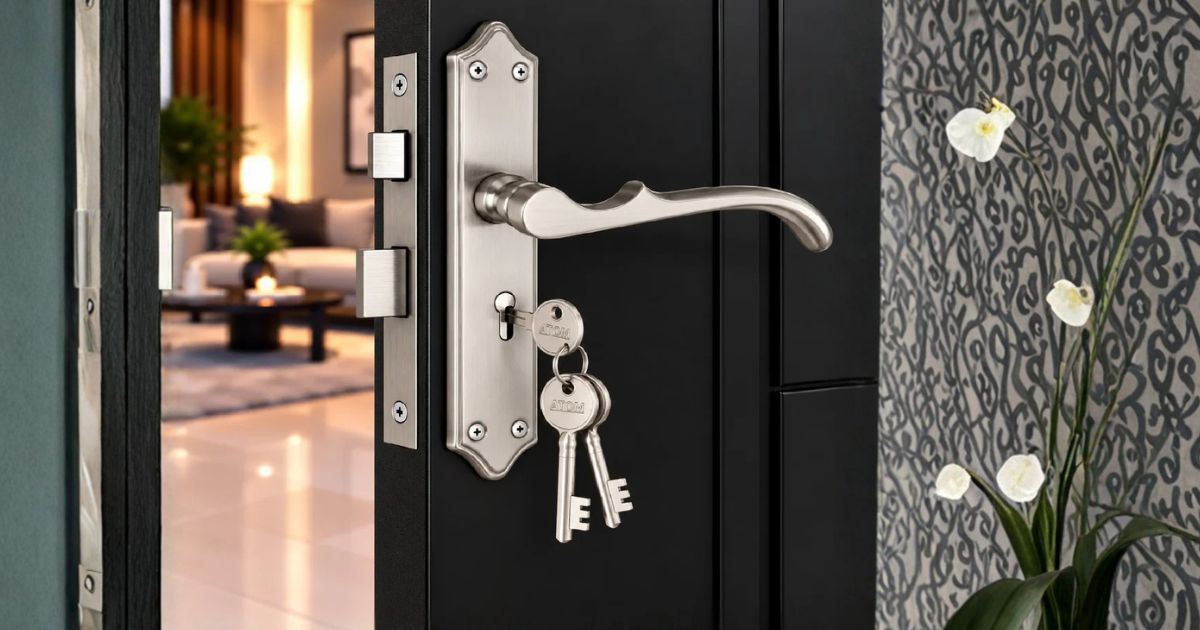
Where a stainless steel mortise lock earns its place
We would choose stainless steel for these doors without much debate.
- Balcony and terrace doors exposed to rain and wind
- Kitchen doors near the sink or the chimney, where steam and grease settle
- Utility and wash area doors with a washing machine nearby
- Bathroom doors, especially in homes where the bathroom door stays wet after every shower
- Any door in coastal cities, from Chennai and Kochi to Goa, Mumbai and Visakhapatnam
These are doors where moisture is daily, not occasional. For a lock for coastal homes, steel visible parts are the safer default for almost every door, not only the wet ones, because salt reaches inside the house too.
For a dry bedroom in Delhi, Jaipur or Lucknow, brass or a good plated zinc lock will last for many years, and you may prefer the warmer look.
What steel does not fix
A steel body does not make a weak lock strong. Security still comes from the bolt, the lever or cylinder mechanism inside, the strike plate, and how firmly the frame is fixed to the wall. Many locks combine materials, such as a steel faceplate with a brass key mechanism inside, and that is perfectly sensible. Judge the whole lock, not only the metal you can see.
Steel also does not stop wood from swelling. A bathroom door that swells shut in July will strain any lock. Seal the door edges, especially the top and bottom, where carpenters often skip polish.
Simple care that keeps any lock working
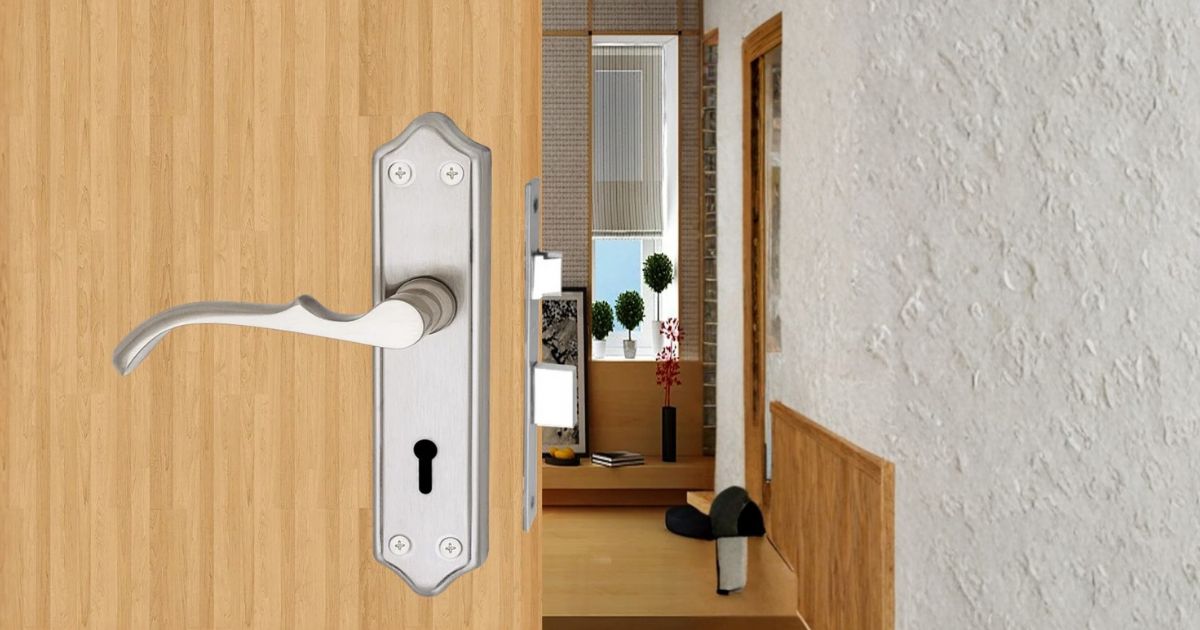
Wipe the faceplate and handle with a soft damp cloth and dry them, rather than using acid cleaners or bleach, which can mark even good steel. Put a little dry lubricant or a drop of light oil on the latch and key every few months, more often near the sea. Check the strike plate screws once a year, since a loose strike makes a latch drag and feels like a failing lock when it is not.
Also read
Get the right lock from Atom Locks
Atom Locks has been building locks, mortise handle sets and door hardware in Aligarh since 2002 for homes, offices and builders. Share your door type, room and city with the team and ask which lock body and finish would suit it best. Browse online at www.atomlocks.com, order directly at shop.atomlocks.com, or use the Bulk Query form for a full project. To talk it through, call +91 9412273735 or email sa***@*******ks.com.