Walk through the older lanes of Aligarh on a weekday and you hear it before you see it. The tapping of small hammers, the whine of polishing wheels, the clink of brass parts tipped into trays. Shop shutters open onto counters stacked with padlocks, handles and hinges, and every second signboard has the word tala on it. The Aligarh lock market is not a single building. It is a whole city’s way of working, and for anyone buying locks in bulk it is worth understanding how it fits together.
Why Aligarh became India’s lock city
Aligarh has been tied to lock making for well over a century. The craft grew during the colonial period, when lock making spread from small workshops into a recognised local industry, and it never really left. Skills passed from parent to child. Clusters formed around specific jobs, so one street might cast bodies, another make springs and levers, another do plating and polishing, and another assemble and pack.
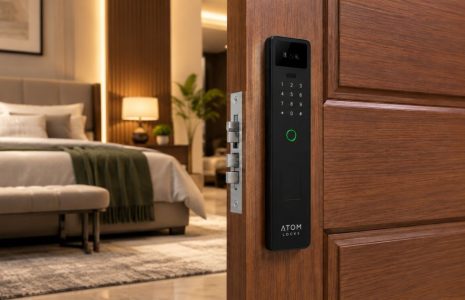
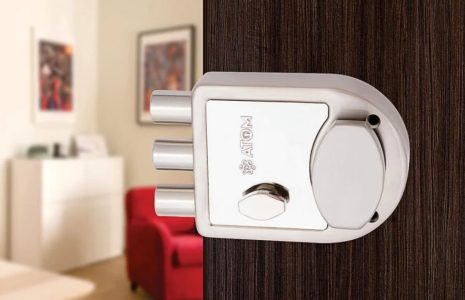
That is why the name stuck. Ask anyone in north India where locks come from and many will simply say Aligarh. The industry also grew well beyond padlocks. Today Aligarh locks sit alongside door handles, mortise sets, aldrops, tower bolts, hinges and a wide spread of builder hardware, much of it made in and around the city.
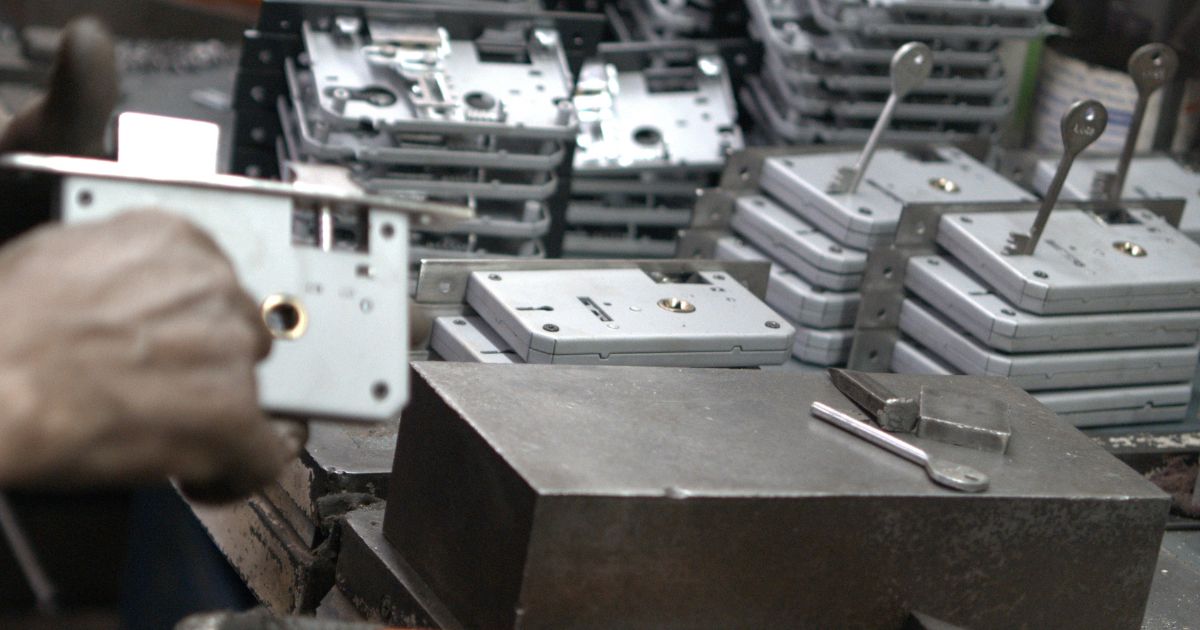
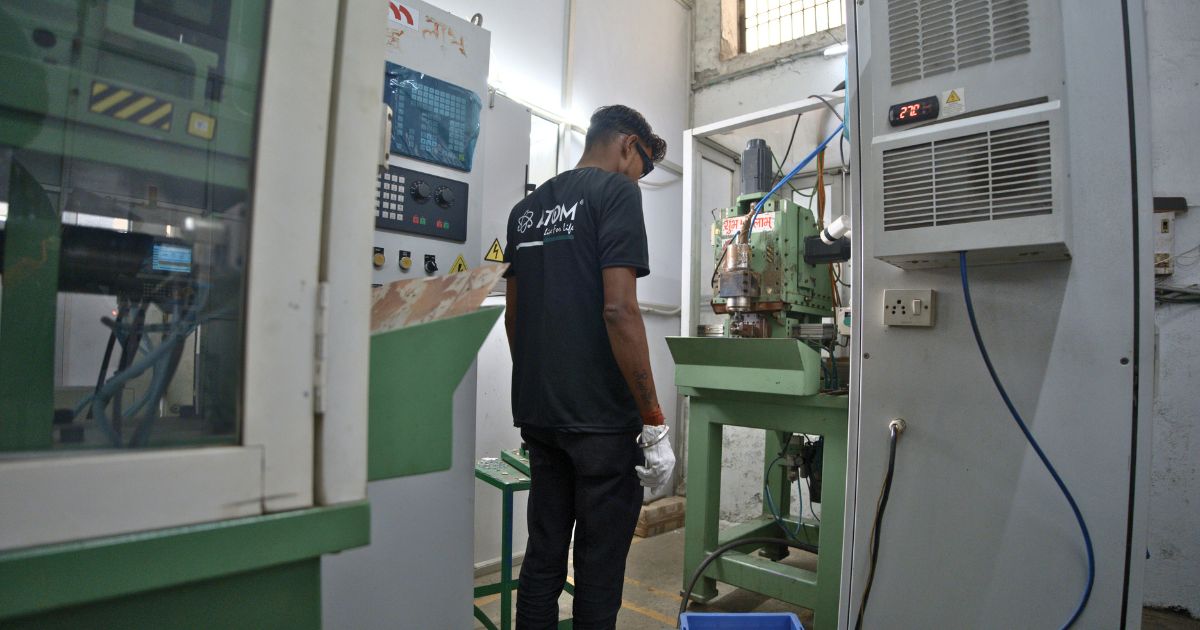
Over the decades the industry moved partly from home workshops to organised units. Tala Nagri Aligarh, the UPSIDC industrial area on Ramghat Road, is one of the places where that shift is easy to see. The name itself means lock town, and it houses manufacturers running proper factory floors with machining, finishing and quality checks under one roof. Atom Locks operates from Sector 2 of this industrial area.
How the Aligarh lock market works for a buyer
For a retail customer, the bazaar is a fun place to browse. For a builder, a contractor or a hardware dealer from another city, it can be confusing, because what looks like one market is really several layers stacked together.
At one end are small workshops that make a single part or do one process, such as plating, for many brands. In the middle are assemblers and traders who buy parts or finished goods and sell under their own names or no name at all. At the other end are established manufacturers who design, make, finish and pack complete products, and who supply both retail and bulk buyers through their own sales teams and channel partners.
A trader’s counter often carries goods from many sources. That is not necessarily a bad thing, since it gives choice. But it does mean the same looking handle can come from very different factories, with different metal, different plating thickness and very different durability. Two locks can sit side by side on a shelf, look identical, and behave completely differently after one monsoon.
Buying direct from a manufacturer versus the bazaar
There is no single right route, so here is an honest comparison.
Buying in the market makes sense for a small, urgent need. If you need two tower bolts today, a local hardware shop or an Aligarh trader is quick and convenient. You can see and handle the product before paying.
Buying direct from the manufacturer makes more sense once quantity, consistency or after-sales start to matter. A builder fitting out sixty flats needs every handle in the same finish, from the same batch, available again when a second tower goes up. A manufacturer can plan production for that. They also know exactly what goes into their product, so questions about material, finish and fitting get a straight answer instead of a guess.
There are other practical differences.
- Consistency across a large order, with matching finishes on locks, handles, hinges and bolts.
- A clear point of contact if something needs replacing later.
- Access to the full range, including items a trader may not stock.
- For dealers, the possibility of a formal channel partnership rather than buying spot lots.
When you buy locks direct from a manufacturer, ask to see their facility or at least a catalogue that shows the whole range. Ask what metal the body is made from, how the finish is applied, and how they handle replacements. A real manufacturer will answer these without hesitation.
A few tips if you plan to visit
If you are coming to Aligarh to buy, set aside time for both the old market and the industrial areas. The bazaar shows you the breadth of what the city makes. The factories show you how it is made. Carry door measurements and photos of the doors you are fitting, and if you are buying for a project, a rough count per door type. Book meetings with manufacturers ahead of time rather than walking in, so the right person is available to talk you through the range.
Also read
Order or ask Atom Locks
Atom Locks, run by Wolf Enterprises, has been manufacturing locks and door hardware in Aligarh since 2002 from C-237 and C-238, Sector 2, UPSIDC Industrial Area, Tala Nagri, Ramghat Road. You can browse the range on www.atomlocks.com or order online at shop.atomlocks.com. Builders and dealers can use the Bulk Query form or apply to become a channel partner through the website. For a project order or any question about the range, call +91 9412273735 or email sa***@*******ks.com.